
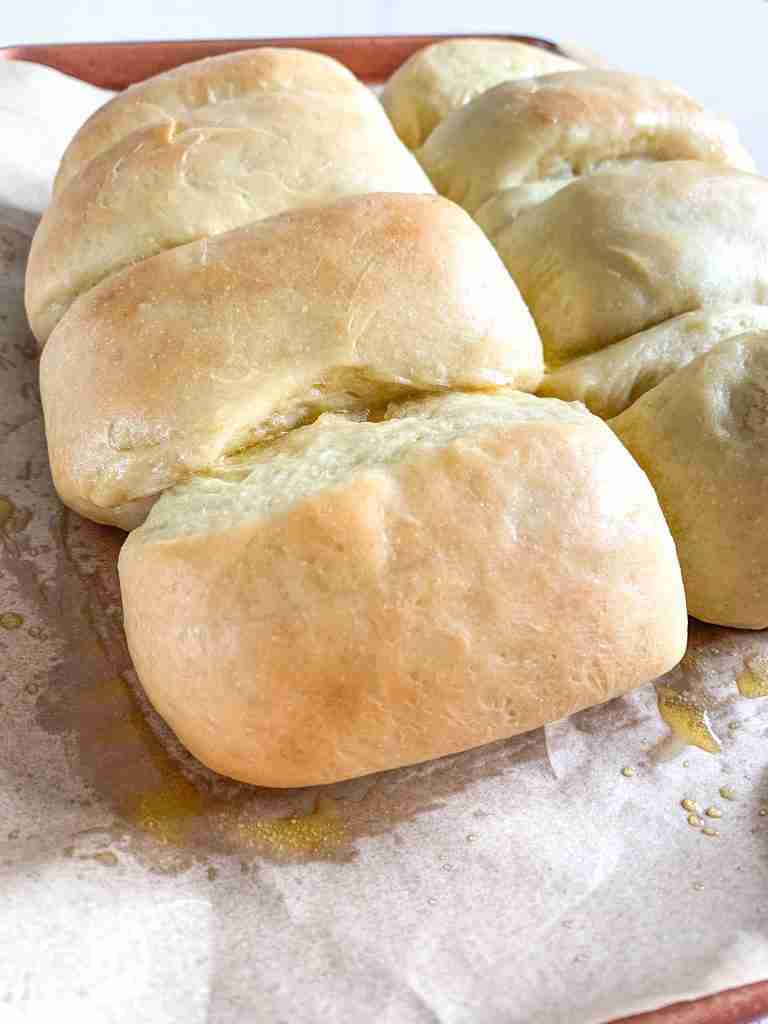
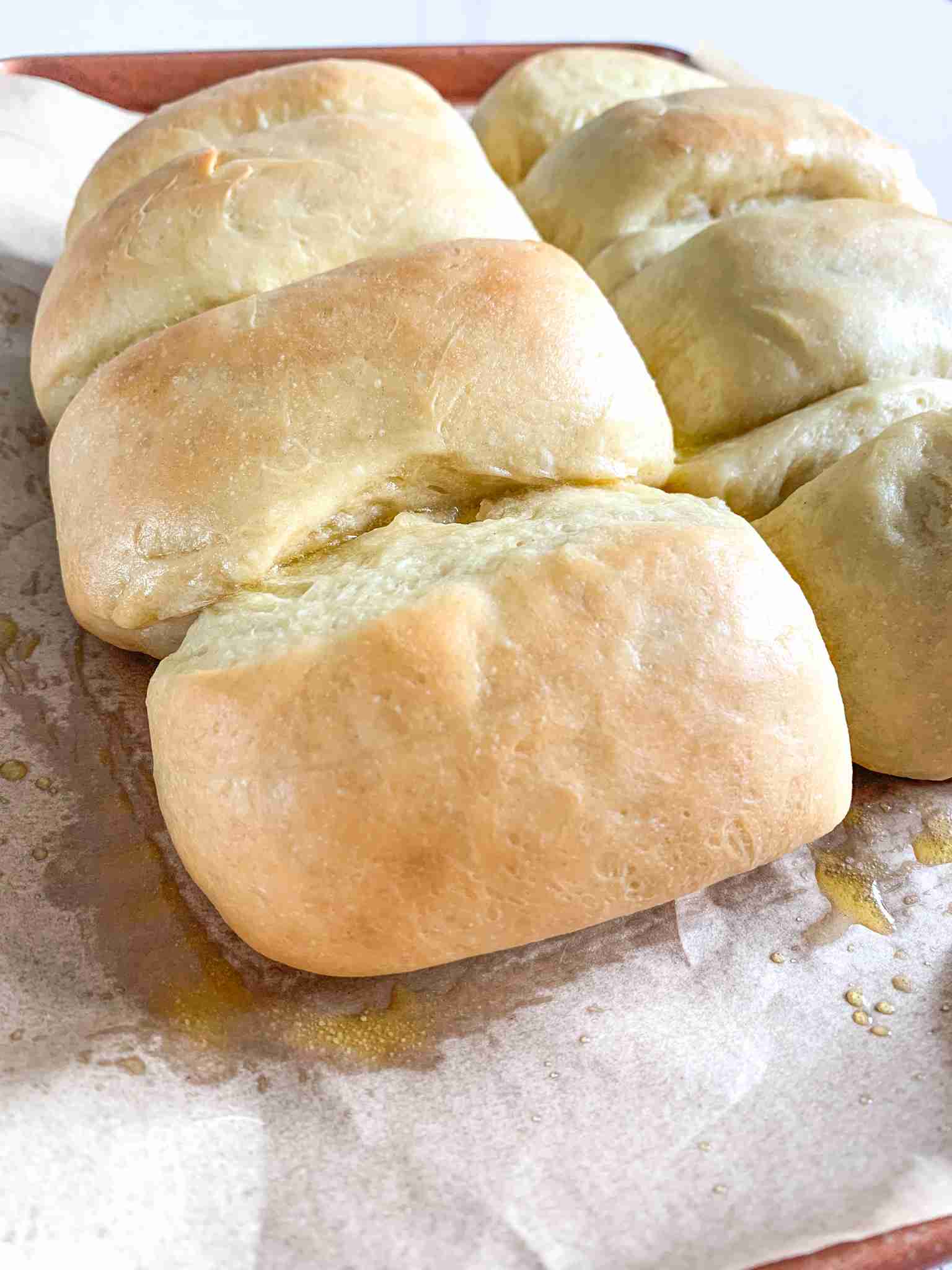
These sourdough Parker House rolls are so soft and pillowy. With each bite, you feel like you’re biting into a delicious buttery cloud. Parker House rolls are the perfect side for holiday meals and weeknight suppers.
What are Sourdough Parker House Rolls?
Parker House rolls are a type of dinner roll that originated in Boston, Massachusetts, at the Parker House Hotel in the 1870s. The original rolls use yeast, but I use sourdough starter for my recipe.
These rolls are soft, buttery, and folded in half. Not all versions have the iconic fold like the Sister rolls you can buy at the store. However, most of the good ones do!
What Ingredients Do You Need for Sourdough Parker House Rolls?
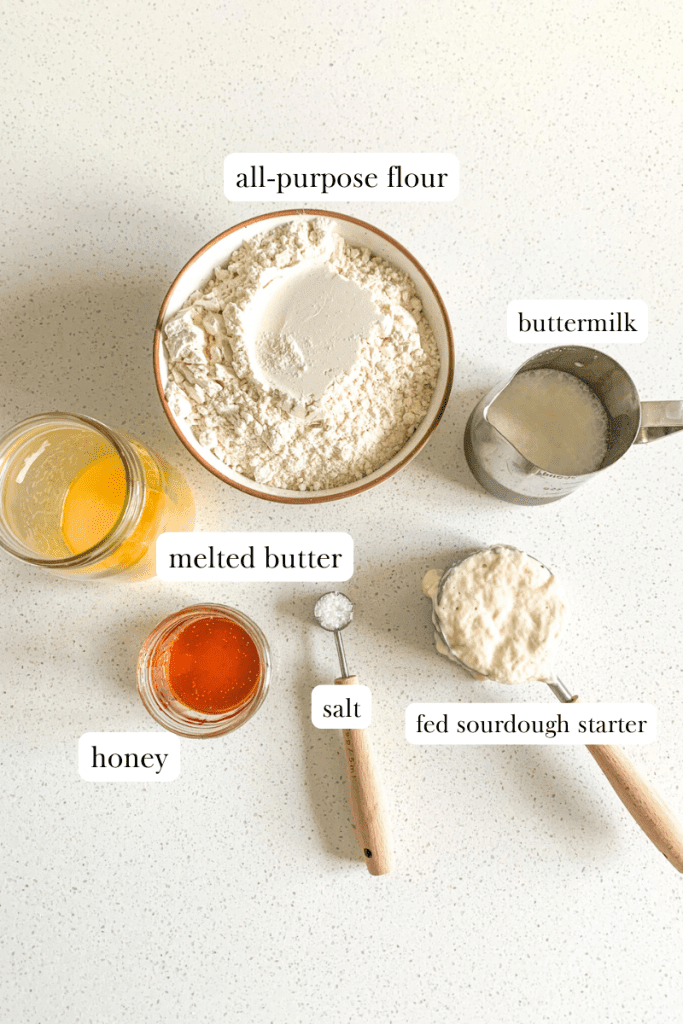
- fed sourdough starter (fed 4-12 hours before using)
- all-purpose flour
- buttermilk (or regular milk)
- sea salt
- melted butter (salted)
- raw honey
- (for brushing tops) melted butter (salted)
Kitchen Tools You’ll Need
- Large Glass Bowl
- Bread Whisk
- Parchment Paper (unbleached is best)
- Sheet Pan
How to Make Sourdough Parker House Rolls
Before You Begin Prepare Your Starter
Feed your starter 4-12 hours before starting this recipe. I recommend feeding it a 2:1 ratio of flour to water. It needs to be active and bubbly to begin this recipe
Make the Parker House Roll Dough
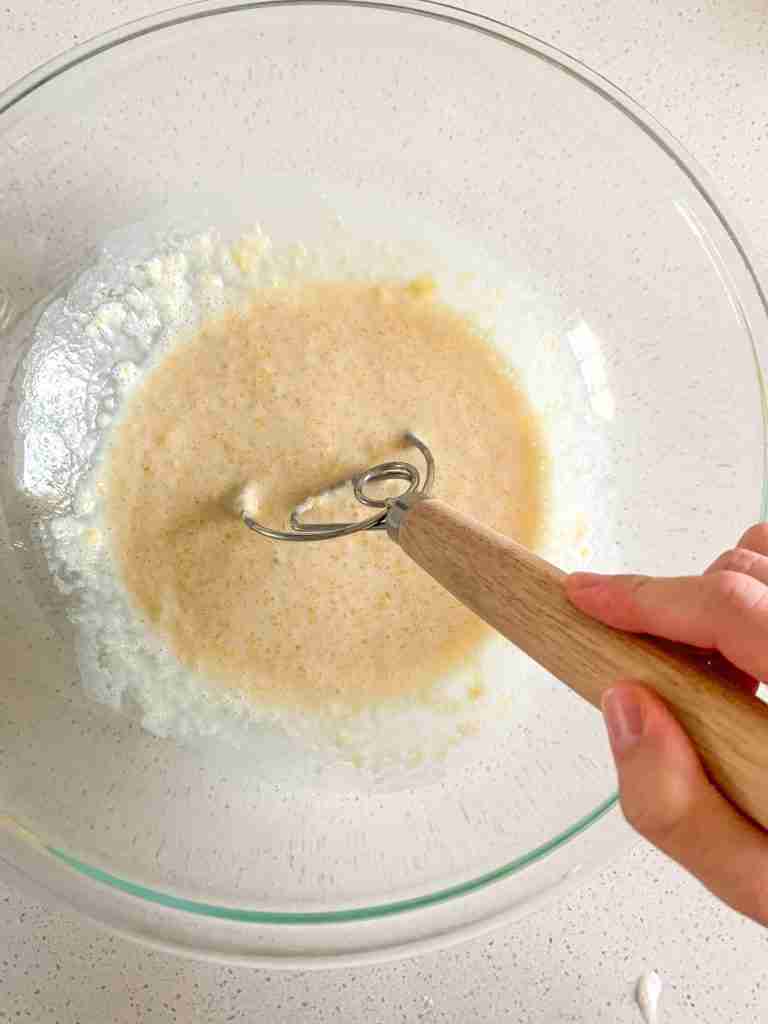
In a mixing bowl, add in fed sourdough starter, buttermilk (or regular milk), honey, and 4 Tbsp melted butter. Stir to combined.
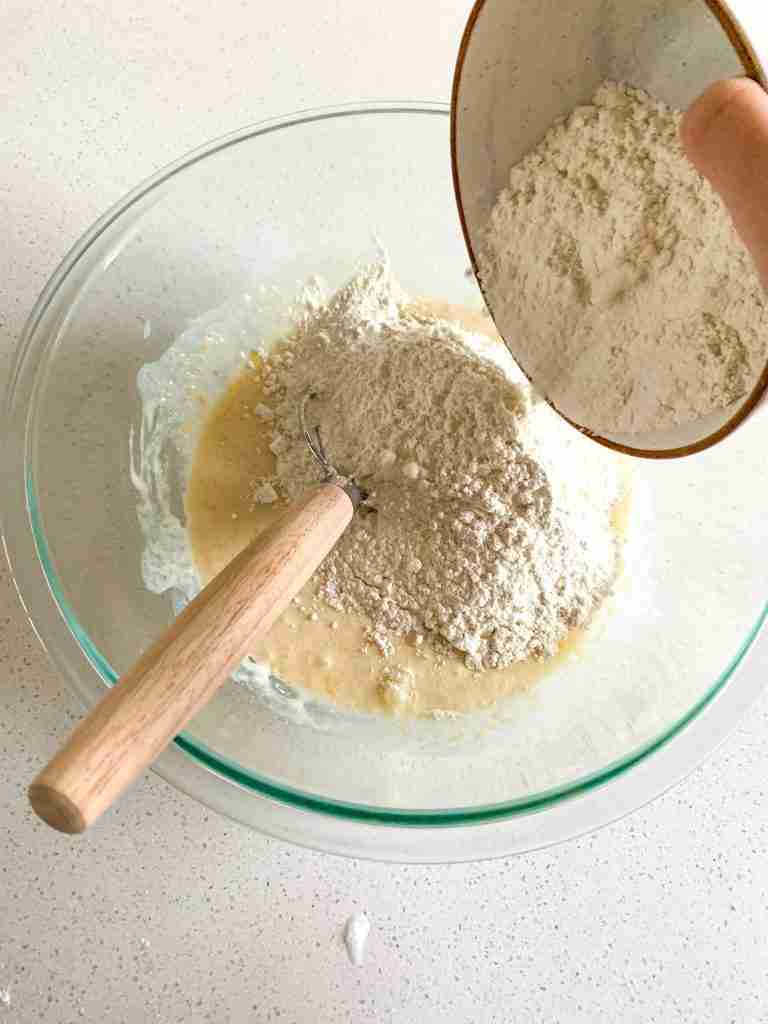
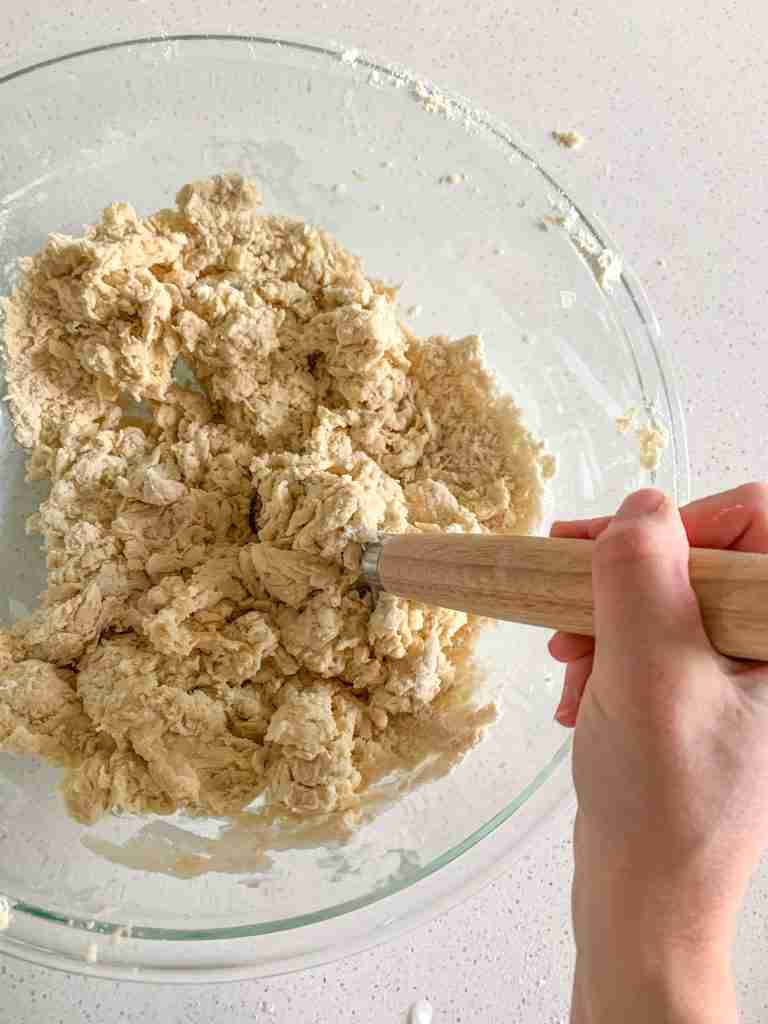
Add in flour and mix until combined. It may be a little shaggy, so use your hands to finish combining it into a dough ball until all the flour is incorporated. (If your dough isn’t coming together, add in 1-2 tablespoons of extra milk to help).
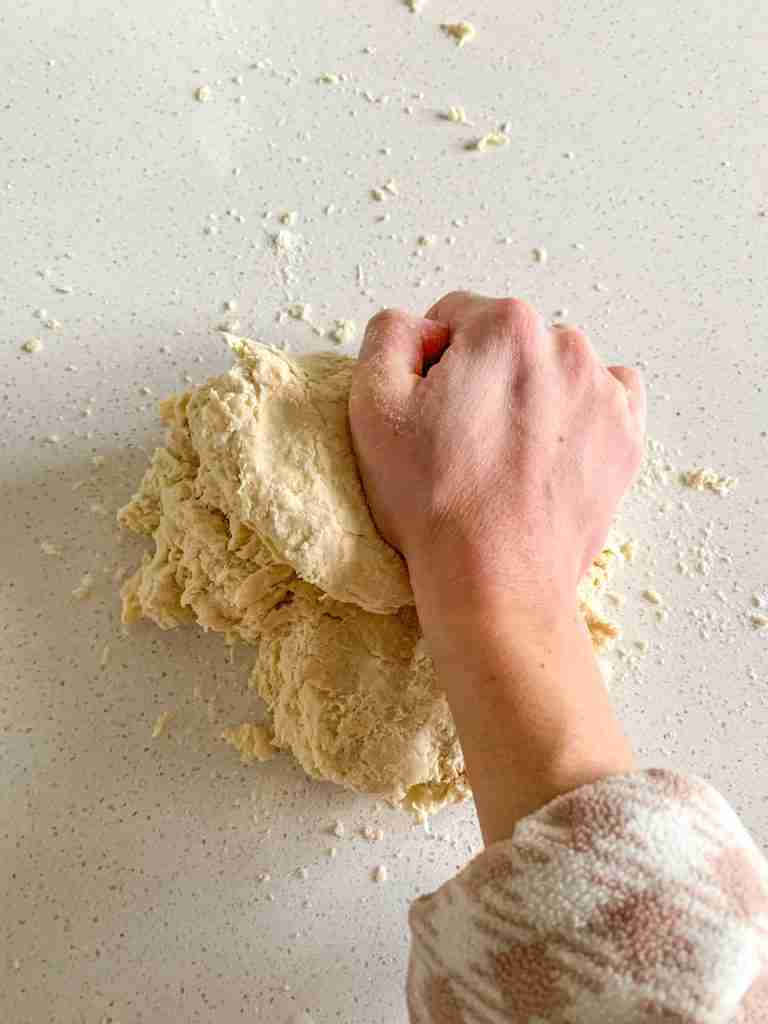
Turn the dough out on the counter and knead for 3 minutes by hand or with a bread hook on an electric mixer. (If needed add a dusting of flour if the dough is sticky).
Place dough back in the bowl and cover loosely with a damp towel, lid, or seran wrap.
Let the dough bulk ferment in a non-drafty place at room temperature for 12 hours. It should double in size and have visible bubbles in the dough. See notes for helpful tips!
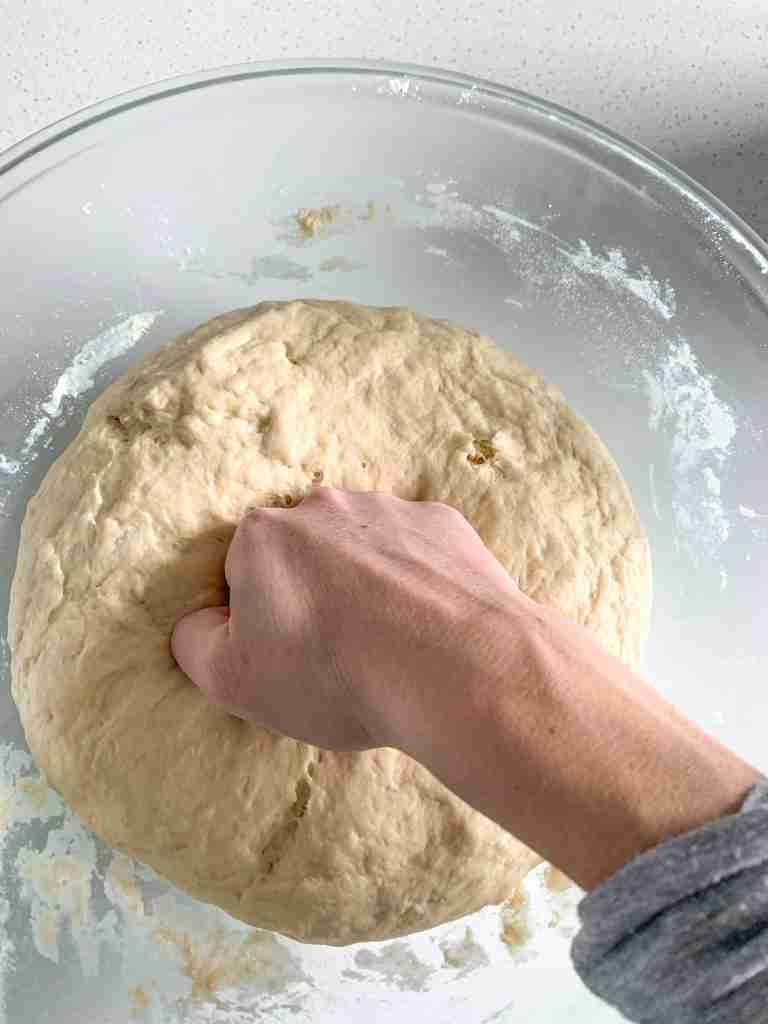
Once bulk fermentation is completed, uncover the dough, punch it down to deflate gas bubbles, and turn it out on the counter (no flour is needed).
How to Shape Parker House Rolls
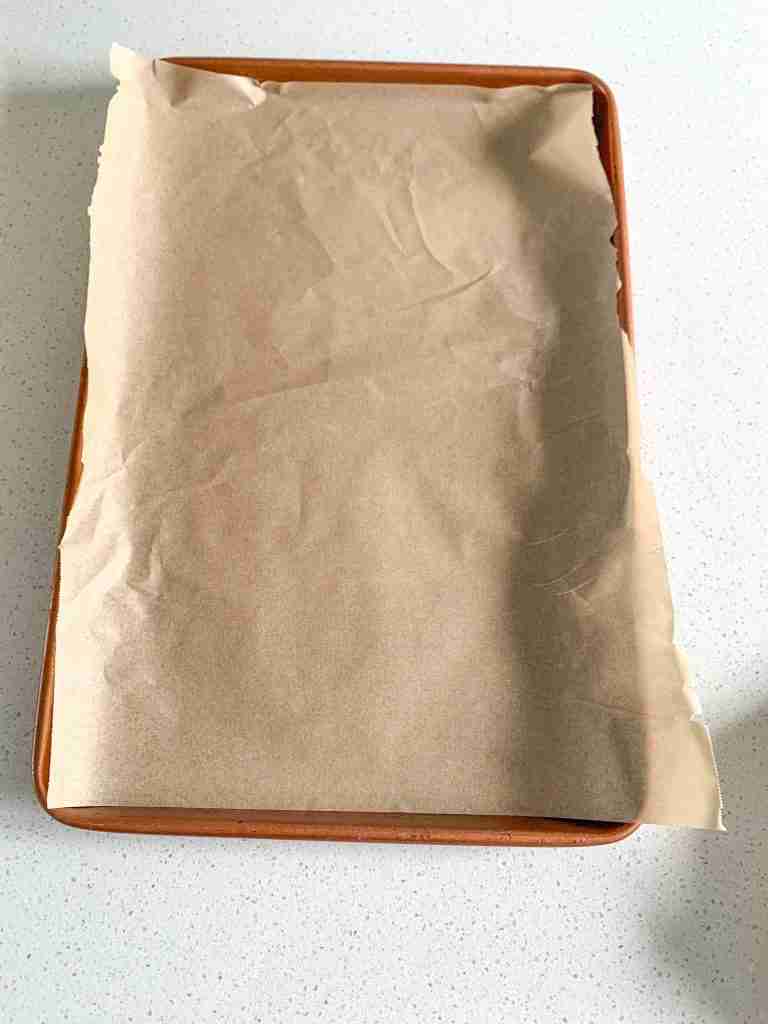
Line a large baking sheet with parchment paper.
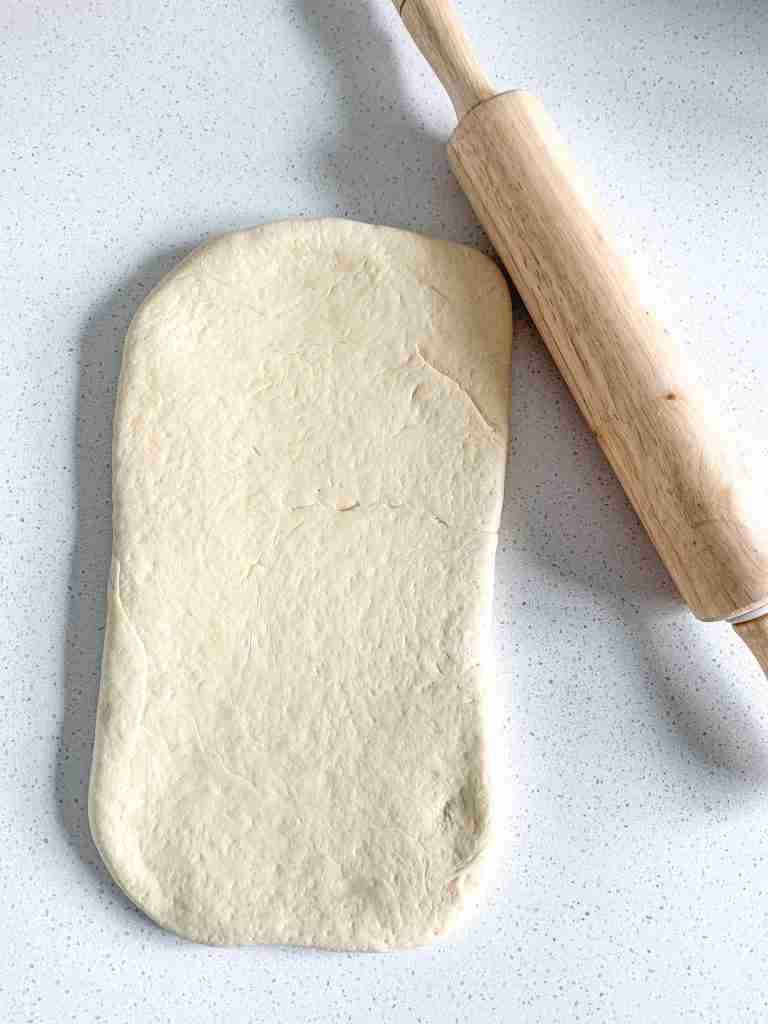
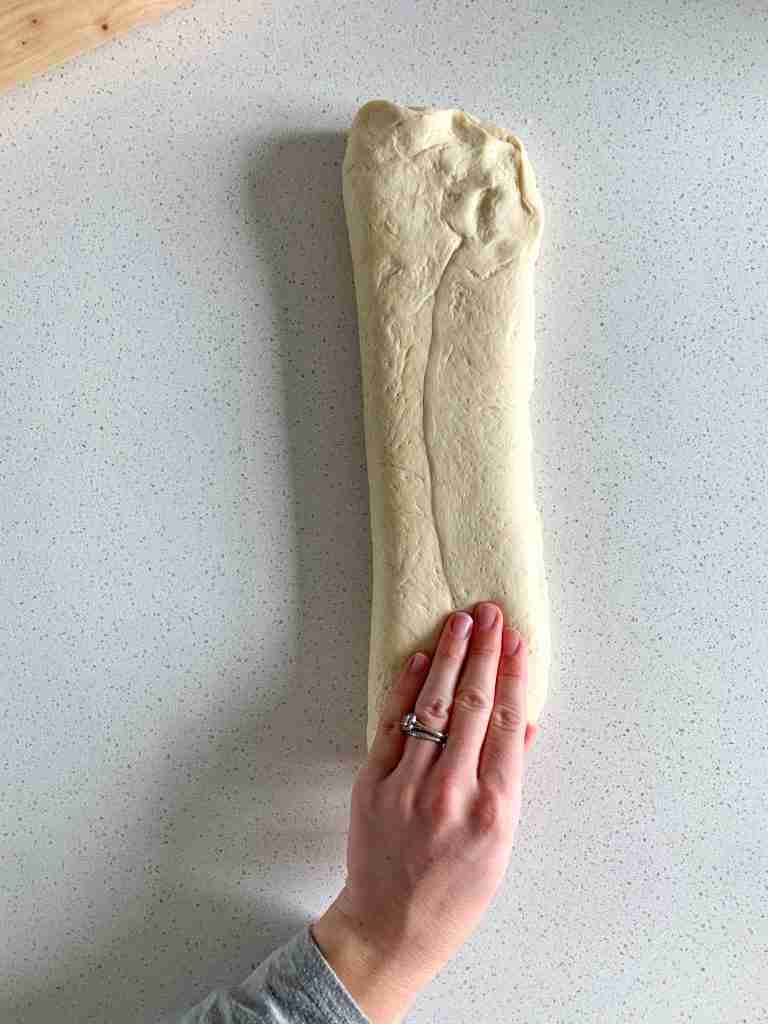
Roll dough out into a 1/2 inch thick 12×7” rectangle then fold it in half longwise so it’s a long log of dough and pinch the edges to seal with your fingers.
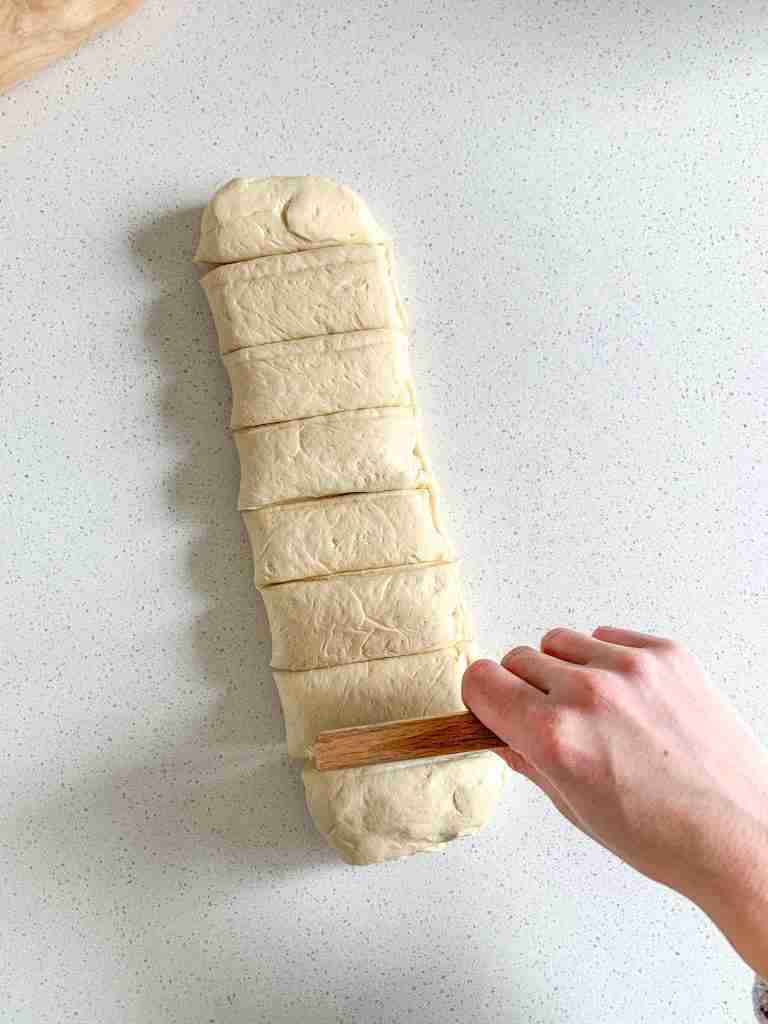
Slice the dough into 8, 1.5” wide rectangle rolls.
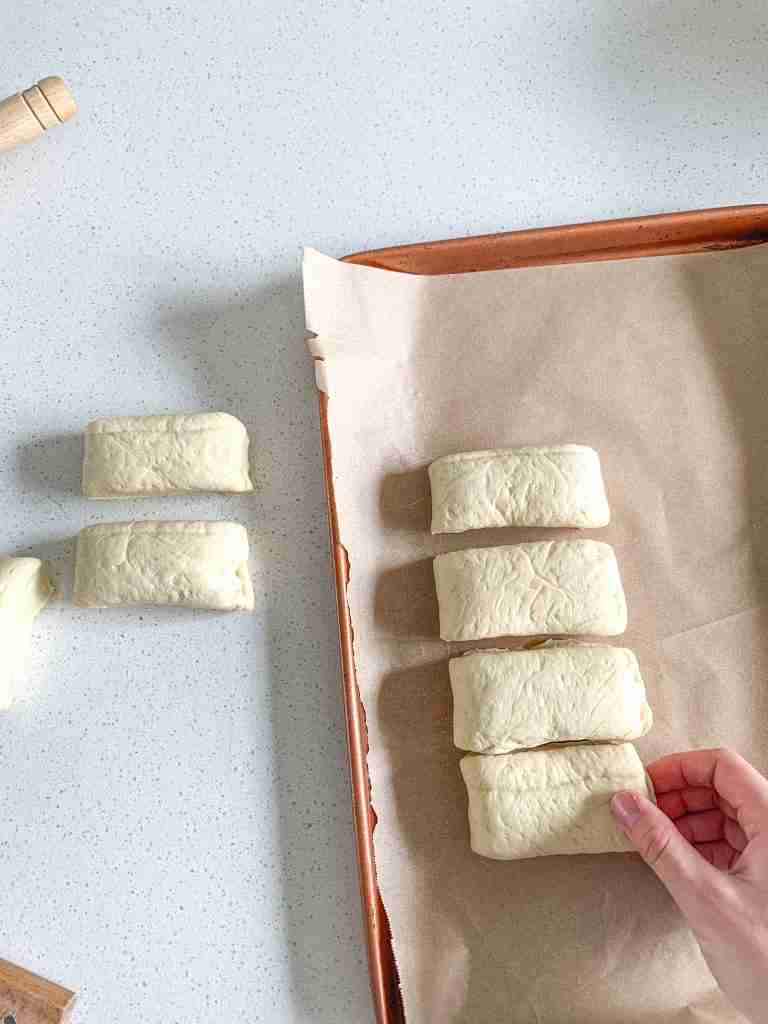
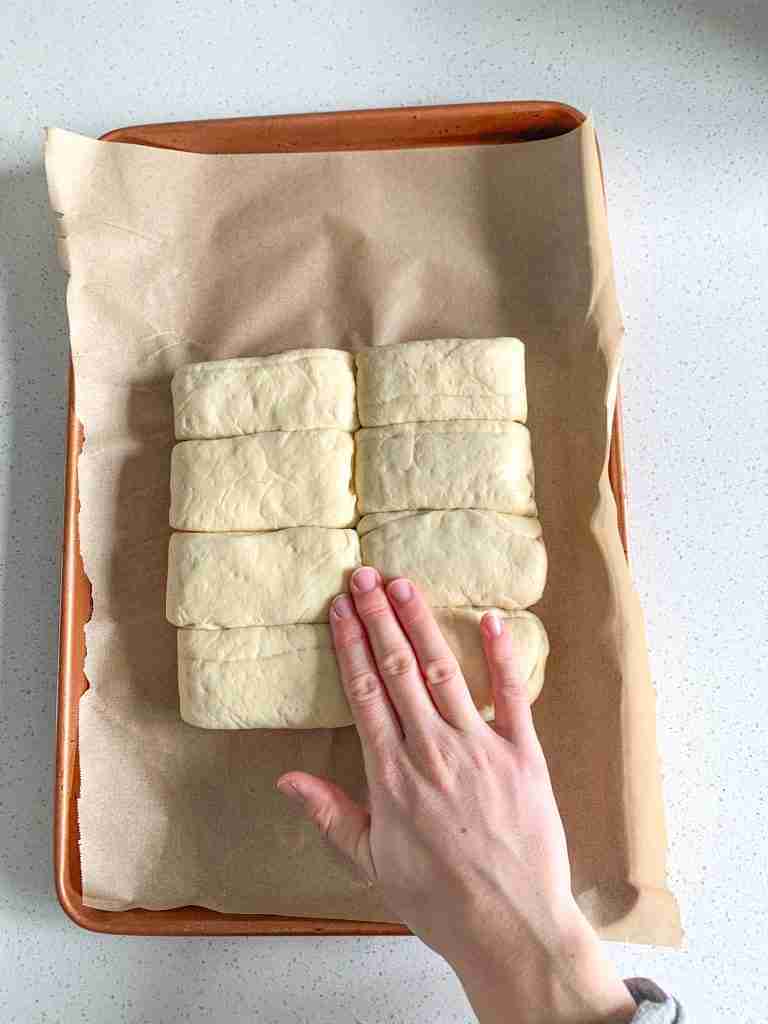
Line the rolls in the middle of the baking sheet in 2 rows so that they’re all touching one another. Gently press the tops down with your hands to flatten them and ensure they’re all touching one another.
Cover pan with a dry kitchen towel and let the rolls rise for 3-4 hours on the counter. See notes for helpful tips!
Baking the Rolls
When the rolls are done proofing, preheat the oven to 375 degrees Fahrenheit.
Once it’s preheated bake rolls for 18 minutes (they should be golden brown)
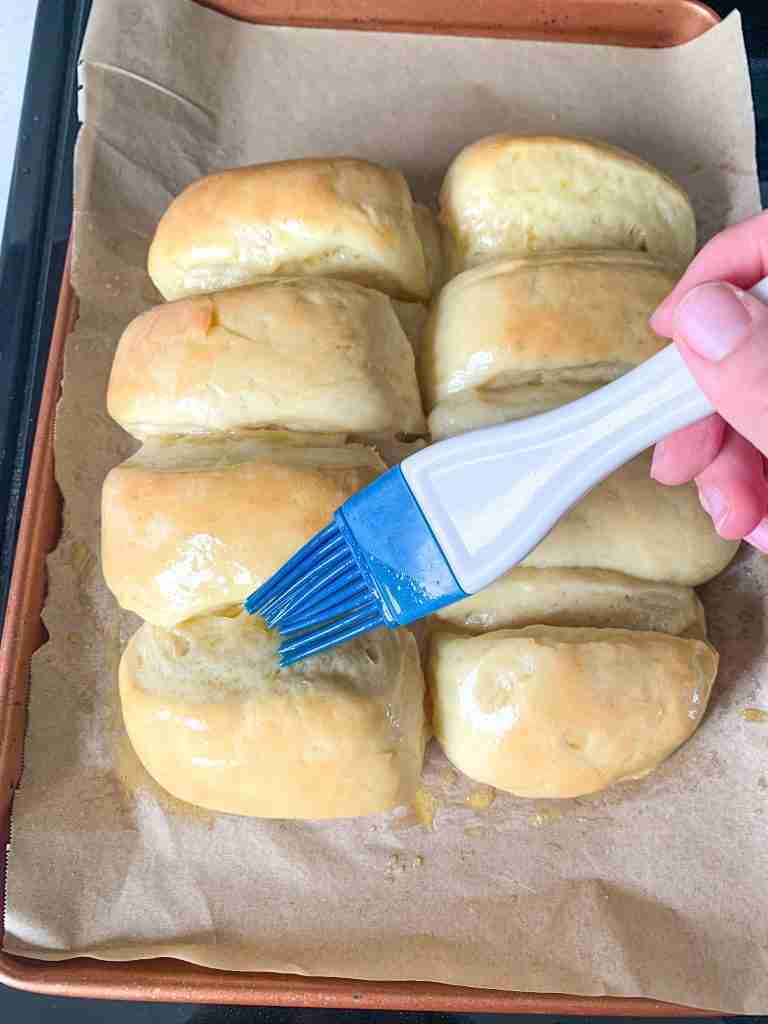
When the rolls come out of the oven, brush the tops with 1 Tbsp of melted butter.
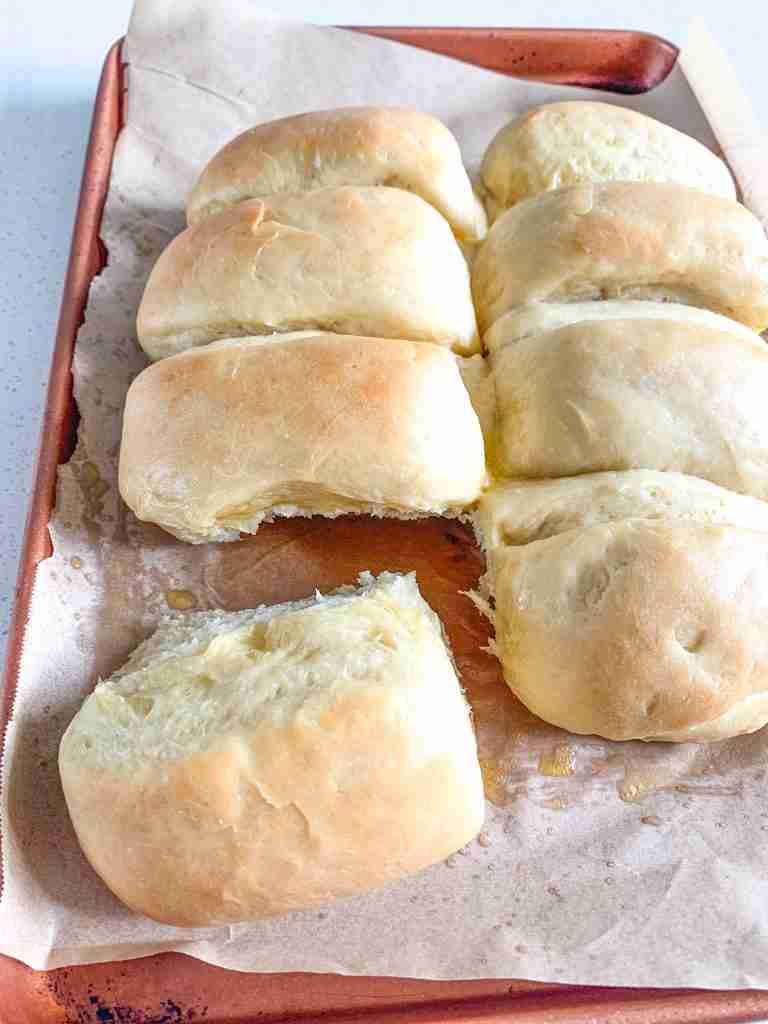
Pull apart to serve!
My Best Tips for Fluffy Sourdough Rolls
- Make sure your starter is active! Before you get started with this recipe, you need to feed your starter a 2:1 ratio of flour to water 4–12 hours before you start. Your sourdough starter needs to be very active and bubbly to begin.
- Let the dough bulk ferment for 12 hours. It is important to let your dough bulk ferment for the full 12 hours. It should double in size and have air bubbles in it.
- Place the dough in a warm spot to rise. For both the bulk ferment and the second rise after shaping, your dough needs to be at room temperature in a non-drafty place. If your dough doesn’t look like it’s doing anything halfway through the rises, you need to place it in a slightly warmer area. This can be in a turned-off oven with the light on and oven door open, or you can slightly warm the oven to about 75-80 degrees Fahrenheit, then turn it off and place your dough inside with the door shut. Never leave the oven on, even on the keep warm setting, with fermenting dough inside. Your dough, for both rises, needs to double.
Storage Instructions
Store cooled-down rolls in an airtight container, preferably glass, for 4-5 days at room temperature. You can refrigerate them after that for 2-3 more days, but they will get a bit dry.
Freezing Instructions
You can freeze these rolls in an airtight, freezer-safe container or baggie, already baked for up to 3 months or unbaked for 1 month.
How to Reheat Rolls
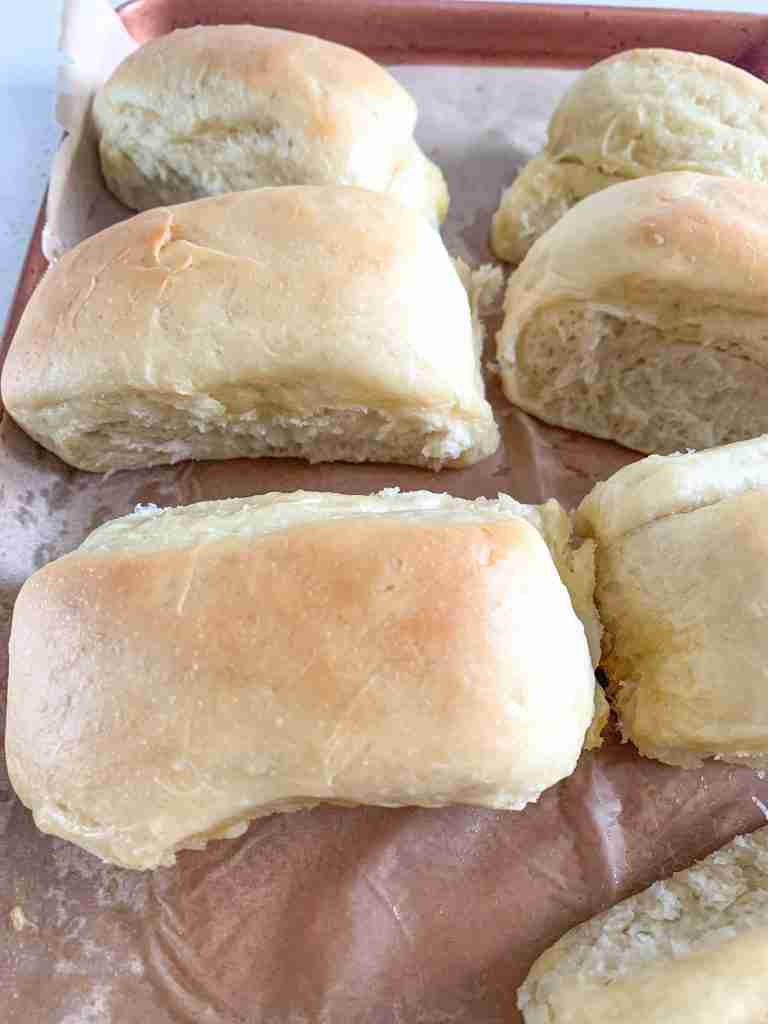
Reheat rolls in the oven at 350 degrees until warm, about 3-5 minutes.
Recipe FAQs
People think they’ve been named after the Parker House Hotel in Boston, Massachusetts, where they originated in the 1870s.
Of course! Just pop them into a preheated oven at 350 degrees for 3-5 minutes.
It can take 2-3 hours to thaw these rolls fully. I recommend getting them out of the freezer the night before you need them.
More Sourdough Dinner Rolls
Recipe
Sourdough Parker House Rolls
Ingredients
Instructions
- BEFORE YOU GET STARTED: If your starter isn't already fed and bubbly, feed it 4-12 hours before starting this recipe to ensure it's active. I recommend feeding it a 2:1 ratio of unbleached flour to filtered water to get the same results as I do when you make this recipe.Example 2:1 feeding: 1/2 cup flour + 1/4 cup water added to your entire starter jar (you can fill your jar up to half full, double this feeding or cut it in half depending on how much starter you want your jar). Let starter jar sit at room temperature until it's bubbly and has risen. Then measure out the amount of starter you need and begin this recipe!
- Add fed starter, milk, sea salt, avocado oil, and honey to a large mixing bowl. Stir to combine, starter doesn't have to fully combine at this time.
- Add flour and stir to combine until a dough forms. Use your hands to finish incorporating dry ingredients. Depending on your starter's hydration, which varies, the dough may be a little too dry so just add a couple tablespoons of water. If it's too wet, add a couple tablespoons of flour.
- Either knead the dough for 2-3 minutes by hand OR do the stretch-and-fold method (pick one).To do the stretch and folds, simply pull dough upward along the outside edge of the dough and fold it into the middle, do this all around the dough 1-2 times. Let dough sit for 10-15 minutes and repeat for a 2nd stretch and fold.
- After kneading OR stretch-and-folding, place a damp kitchen towel or a lid loosely on the bowl. Let the dough sit at room temperature for 10-12 hours to bulk ferment. Please see notes below for troubleshooting.The dough needs to double or triple in size during this time. Depending on the time of year and temperature of your house, the time will vary. Add a few more hours if needed until doubled or tripled in size.
- OPTIONAL: If you don't want to/don't have time to continue the recipe, you can place the fermented dough in the fridge, after it's double/tripled in size, with an airtight lid for up to 48 hours until you're ready to continue.
- Line a square stainless steel baking pan (8×8" or 9×9") with parchment paper or grease with butter and flour. Set aside.
- Remove fermented dough from bowl and place on the counter. You can lightly dust the surface with flour if dough is sticky.
- Either stretch or roll dough out into a large rectangle, 1/2 inch thick. Brush top of dough with melted butter (about 1-2 Tbsp).
- Fold dough in half longwise so melted butter is inside, forming a long log. Slice into 8 pieces about the same size.
- Add rolls to prepared pan, standing with the folded end facing upward. They should be close together and touching.
- Cover pan with a dry kitchen towel and let rise at room temperature for 3-4 hours. It needs to double or triple in size and look puffy, this is crucial for light fluffy bread! Please see notes below for troubleshooting.Depending on the time of year and temperature of your house, the time will vary. Add a few more hours if needed until doubled or tripled in size.
- When rolls are done rising, preheat oven to 375 degrees Fahrenheit. Once preheated, bake for 25-30 minutes or until fully baked.
- As soon as rolls come out of the oven, brush tops with melted butter. Pull apart to serve and enjoy!