
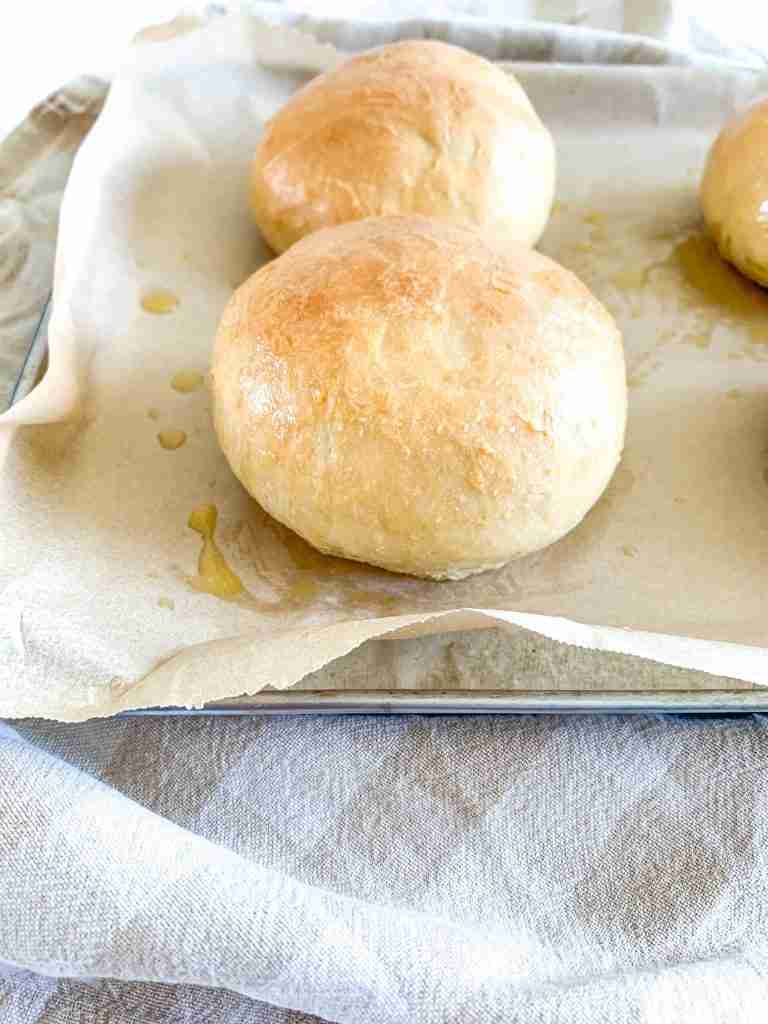
You know those extra soft buns served at restaurants? Well that’s exactly what these sourdough brioche buns are! They’ve always been my favorite bun so I thought, “why not make them at home?” This recipe is simple and easy, it’ll replace any store bought hamburger buns! This recipe post includes a video tutorial so you can make it alongside me, step-by-step!
This post may contain affiliate links of items I know and love. Read our disclosure policy for more information. I NEVER use AI (artificial intelligence) to create content for Plum Branch Home. Recipes, blog posts, photos, videos, podcasts, social media content: everything is made from scratch by me, Molly LaFontaine. After developing my recipes, they’re tested 2x by my husband, Tyler, and I before publishing. What you see from Plum Branch Home is real. It’s made for a reason, tested, and loved!
If you want to make this recipe but don’t have a sourdough starter, no worries! Grab my free guide so you can make your own starter at home.
If you’re new to sourdough baking and feel hesitant, or you have questions, I’ve got something for you! I broke down the basics of what you need to know about sourdough baking in my free sourdough baking guide for beginners. I highly recommend grabbing a copy!

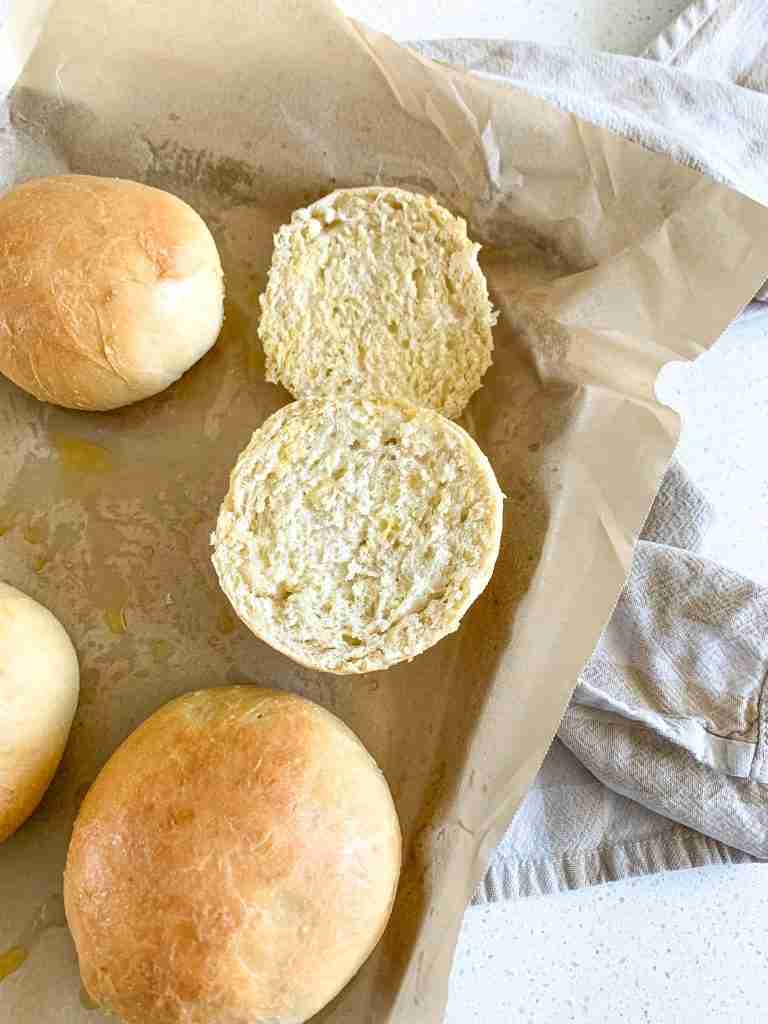
The Best Sourdough Brioche Buns
If you’re wondering why my recipe is different, here are a few things that make these buns stand out:
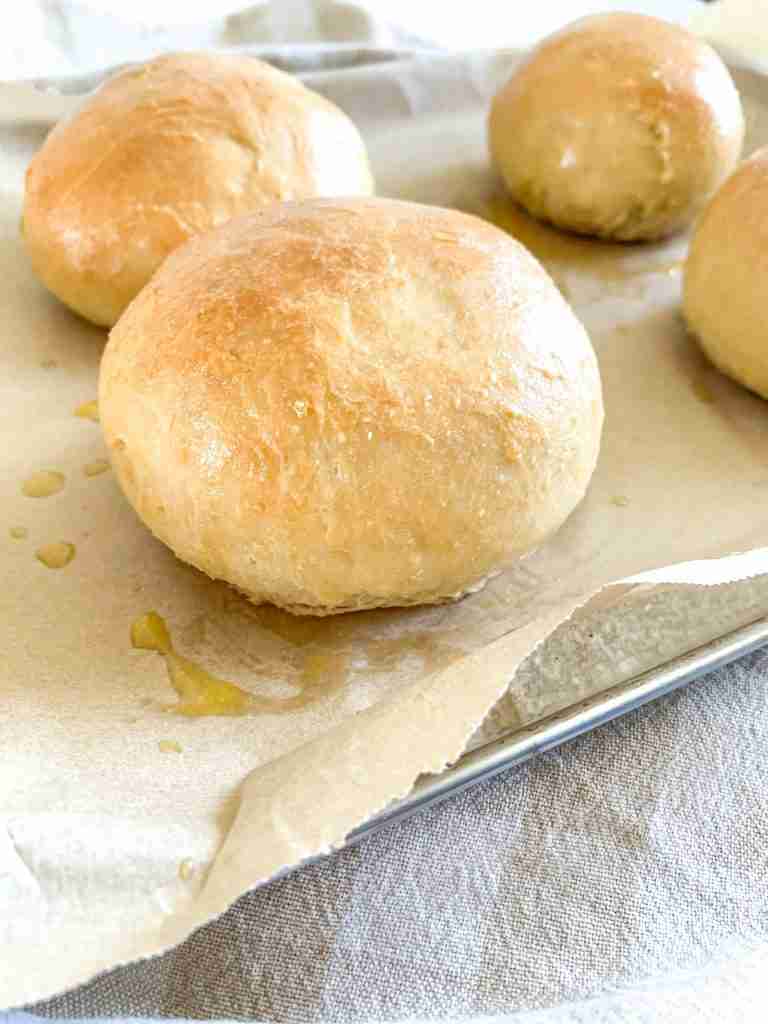
More proofing time: I let my buns proof longer to give them that fluffy, light texture.
Safe bulk ferment: Unlike many other sourdough brioche recipes, I add my egg in after the bulk ferment not before. This ensures the egg doesn’t go bad in the dough while its bulk ferments.
Simple instructions: I created this recipe to be easy enough for beginners. The steps are simple to follow and understand.
Special started feeding: Instead of the common 1:1 ratio, I advise to do a 2:1 ratio. More is explained on the recipe card. This creates the softest buns!
Why Make Hamburger Buns with Sourdough?
When you make brioche buns with sourdough, you get gut benefits from the starter’s cultures. During the bulk ferment, the cultures ferment the other ingredients. This adds even more gut benefits!
Molly’s Tips for Making Sourdough Buns
Make sure your starter is active! BEFORE YOU GET STARTED: Feed your starter 4-12 hours before starting this recipe. I recommend feeding it a 2:1 ratio of unbleached flour to filtered water to get the same results as I do when you make this recipe.
Example: Feed 1 cup flour + 1/2 cup water to your entire starter jar and let the starter sit on the counter at room temperature until it’s bubbly and has grow in the jar (4-12 hrs). Your starter needs to be active, bubbly, and a thicker consistency to begin this recipe.
Let the dough bulk ferment for 12 hours. It is important to let your dough bulk ferment for the full 12 hours. It should double in size and have air bubbles in it.
Place the dough in a warm spot to rise. For both the bulk ferment and the second rise after shaping, your dough needs to be at room temperature in a non-drafty place.
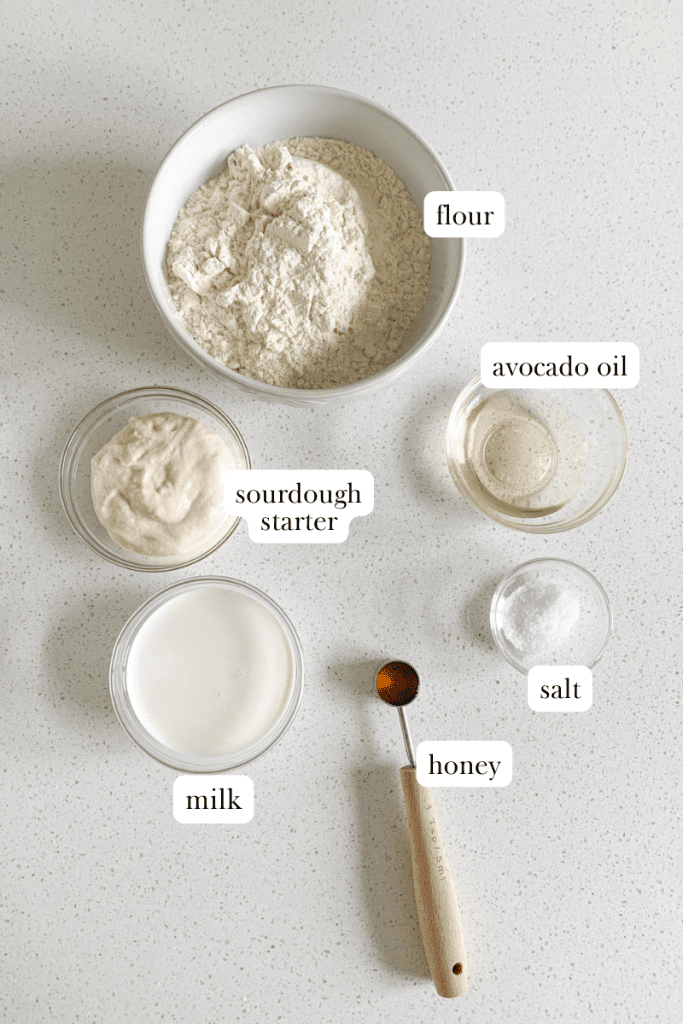
Ingredients You’ll Need
- fed sourdough starter: needs to be active and bubbly
- milk: enriches the dough
- raw honey: adds a hint of sweetness
- salt: adds flavor to the dough
- avocado oil (or melted butter): enriches the dough
- all-purpose flour: great flour for buns
- egg yolk: enriches the dough
- optional – melted butter: for brushing after baking
Kitchen Tools for this Recipe
This section contains Amazon affiliate links to items I use and love for this recipe.
- sheet pan
- parchment paper (unbleached)
- bench scraper
- mixing bowl
- bread whisk
How to Make Sourdough Brioche Buns
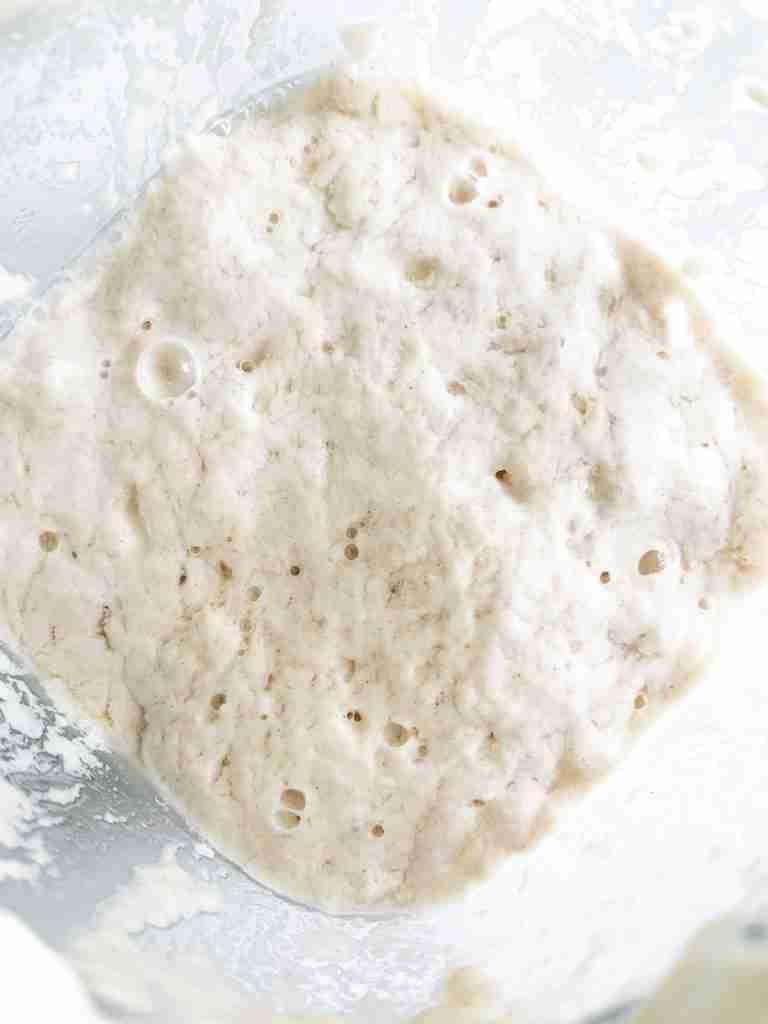
Preparing your starter
BEFORE YOU GET STARTED: Feed your starter 4-12 hours before starting this recipe. I recommend feeding it a 2:1 ratio of unbleached flour to filtered water to get the same results as I do when you make this recipe. Example: 1 cup flour + 1/2 cup water. Your starter needs to be active, bubbly, and a thicker consistency to begin this recipe.
Make the Dough
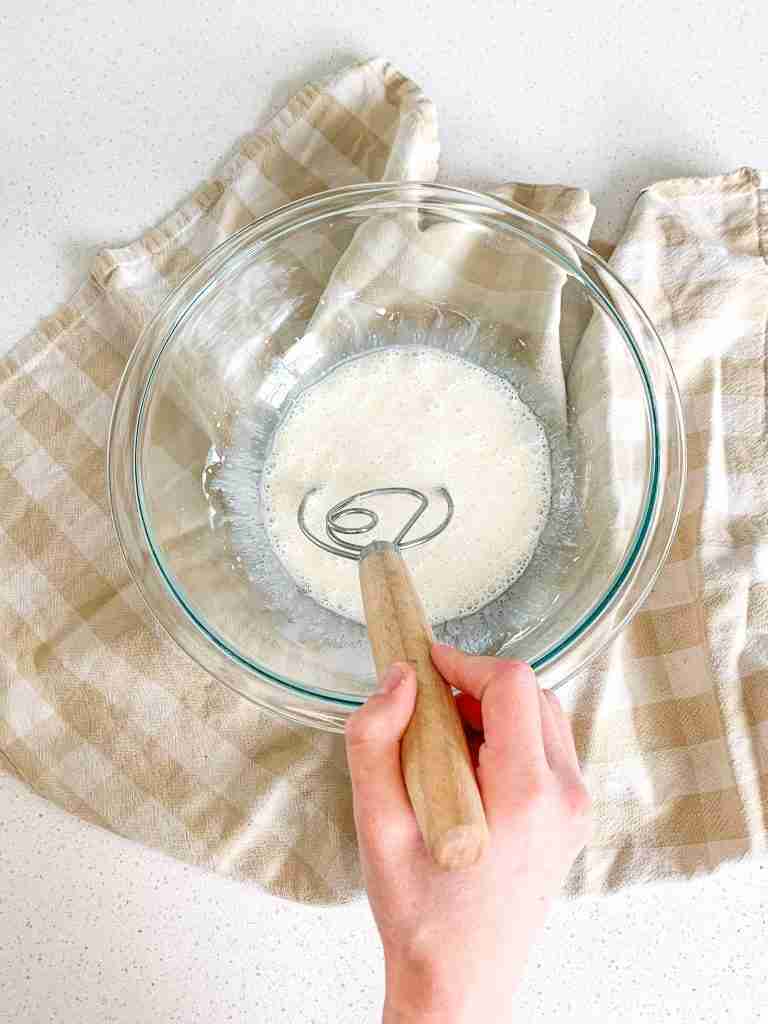
In a large mixing bowl add in fed starter, milk, honey, salt, and avocado oil. Mix until completely combined.
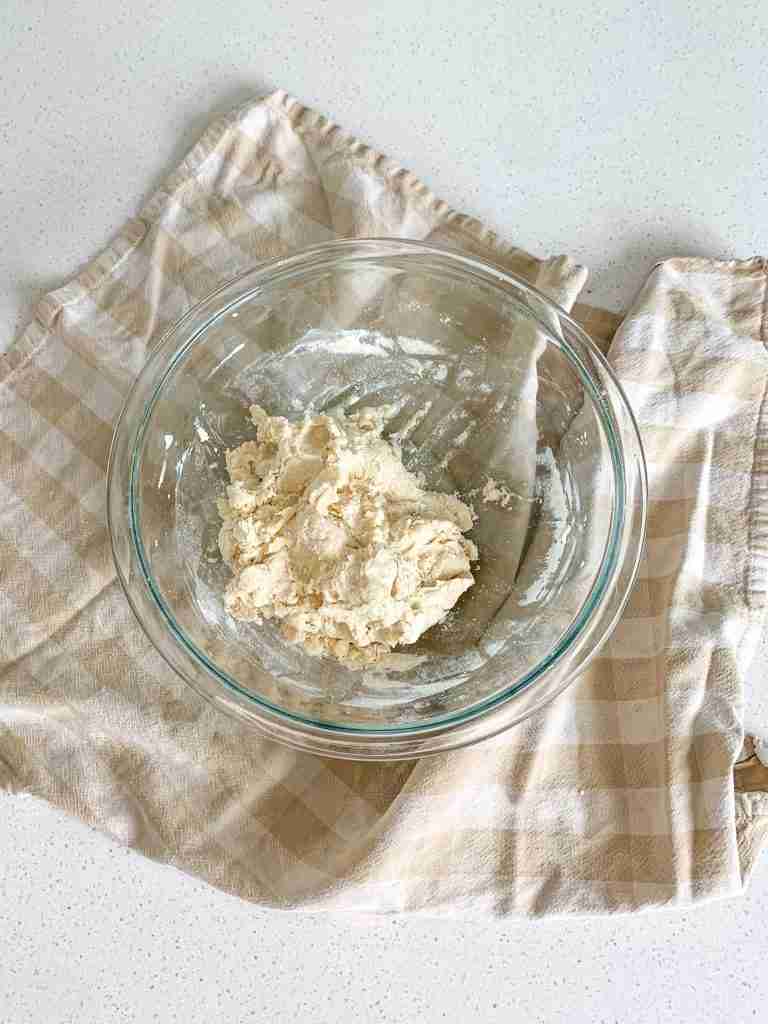
Add in only 1 1/2 cups flour (the other 1/4 cup will be added later with the egg) and stir until a dough forms. Use your hands to bring the dough into a ball if needed. If this isn’t working add 1-2 Tablespoons of extra milk to help but don’t do this if not necessary.
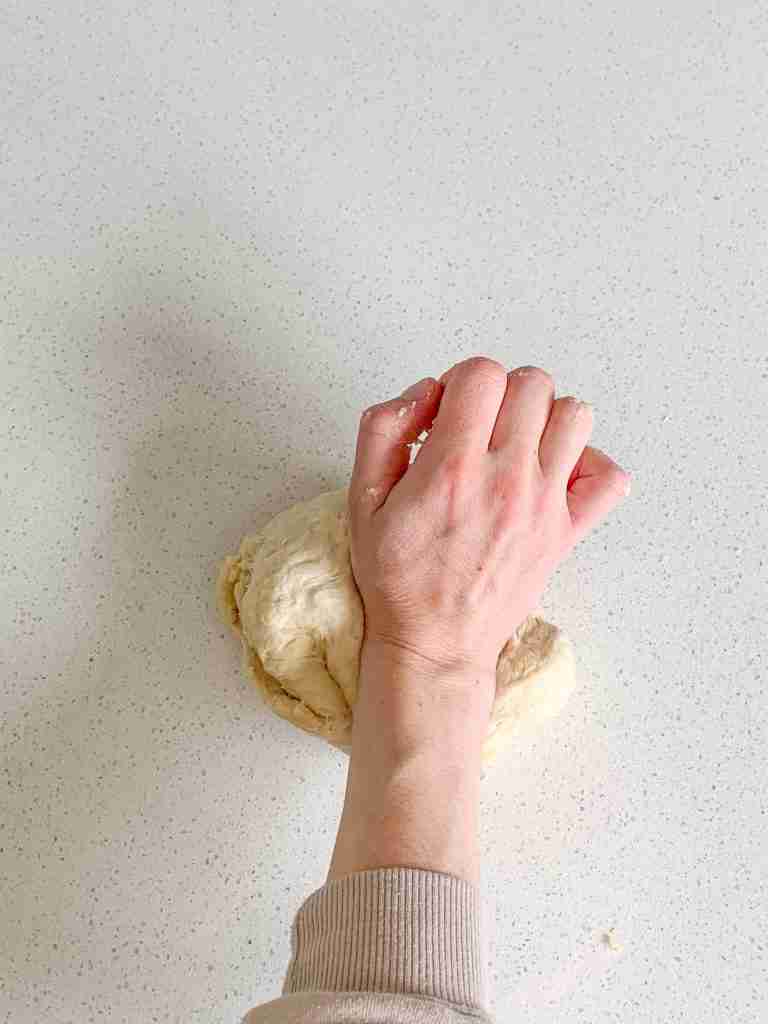
Turn the dough out in the counter and knead for 2-3 minutes( or use an electric mixer with a dough hook)
Bulk ferment
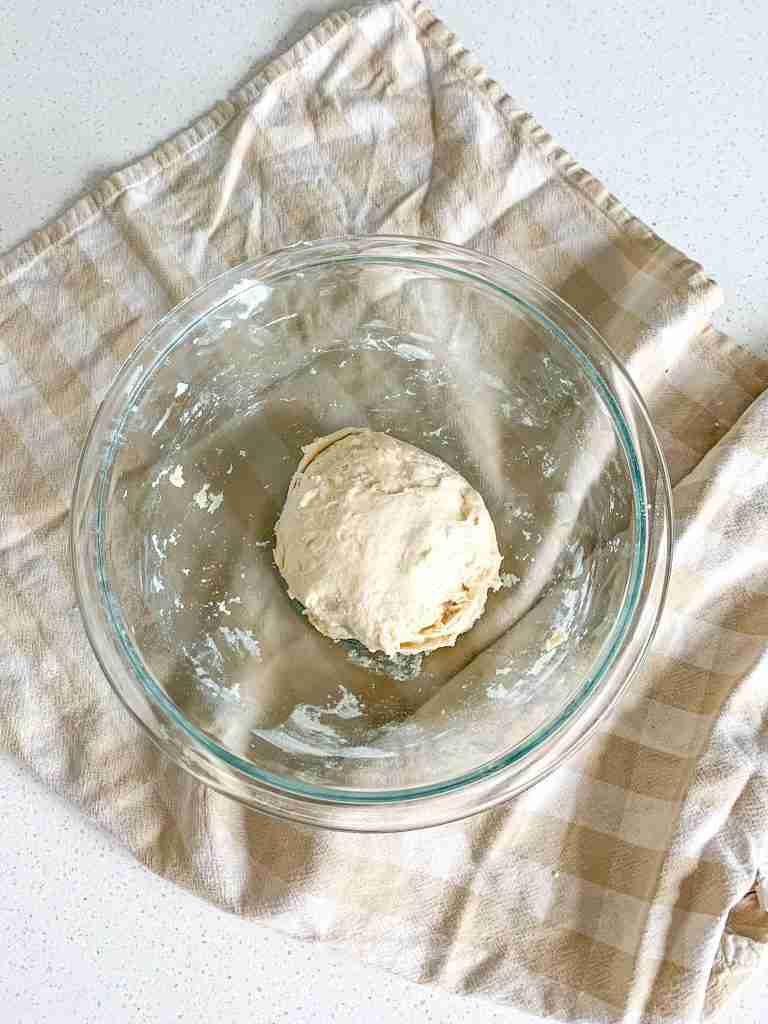
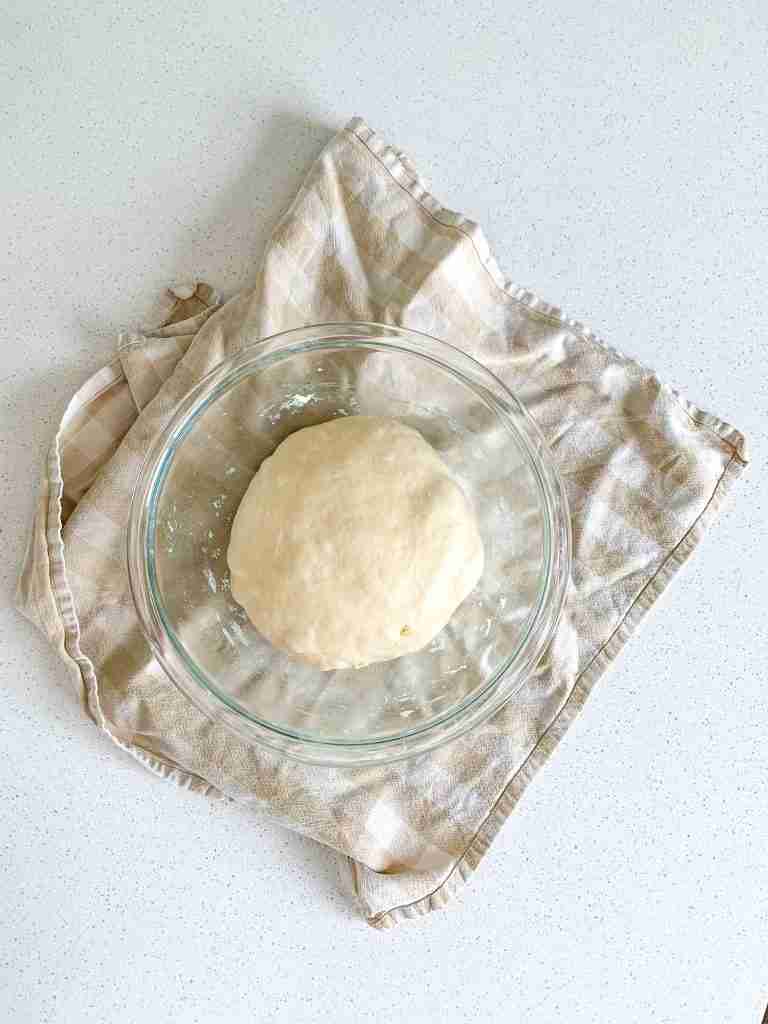
Cover the dough and let it sit at room temperature on the counter or in a turned-off oven/microwave for 12 hours until it doubles in size. See notes for helpful information. Once bulk fermentation is complete your dough should have doubled in size.
Add the egg
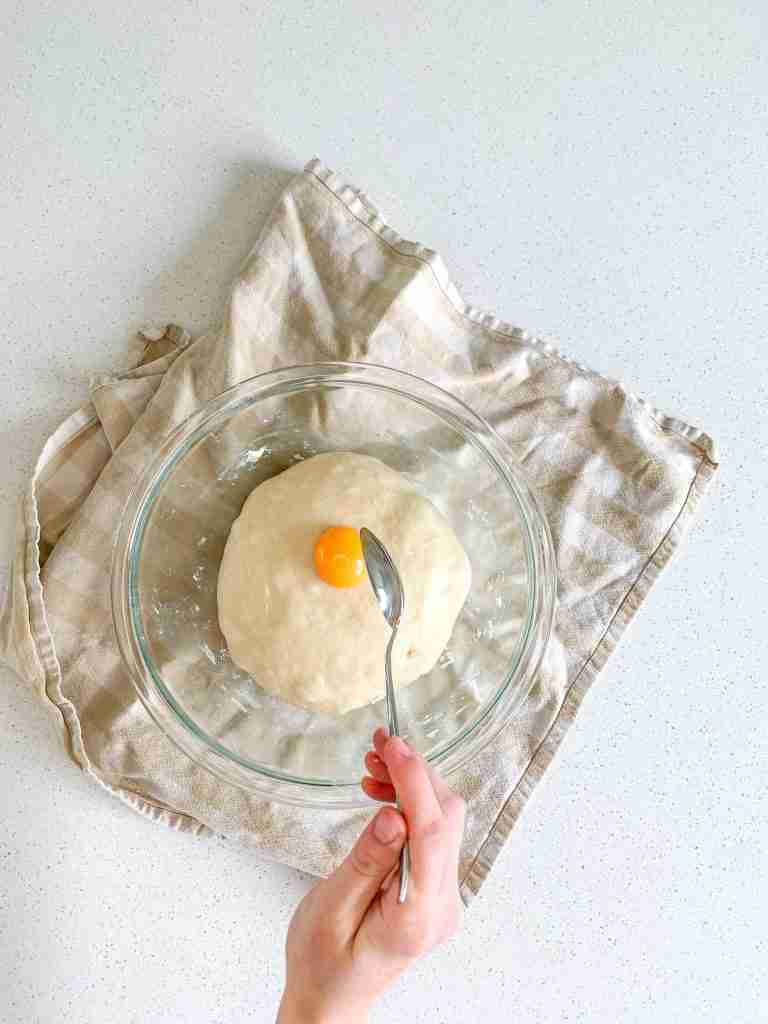
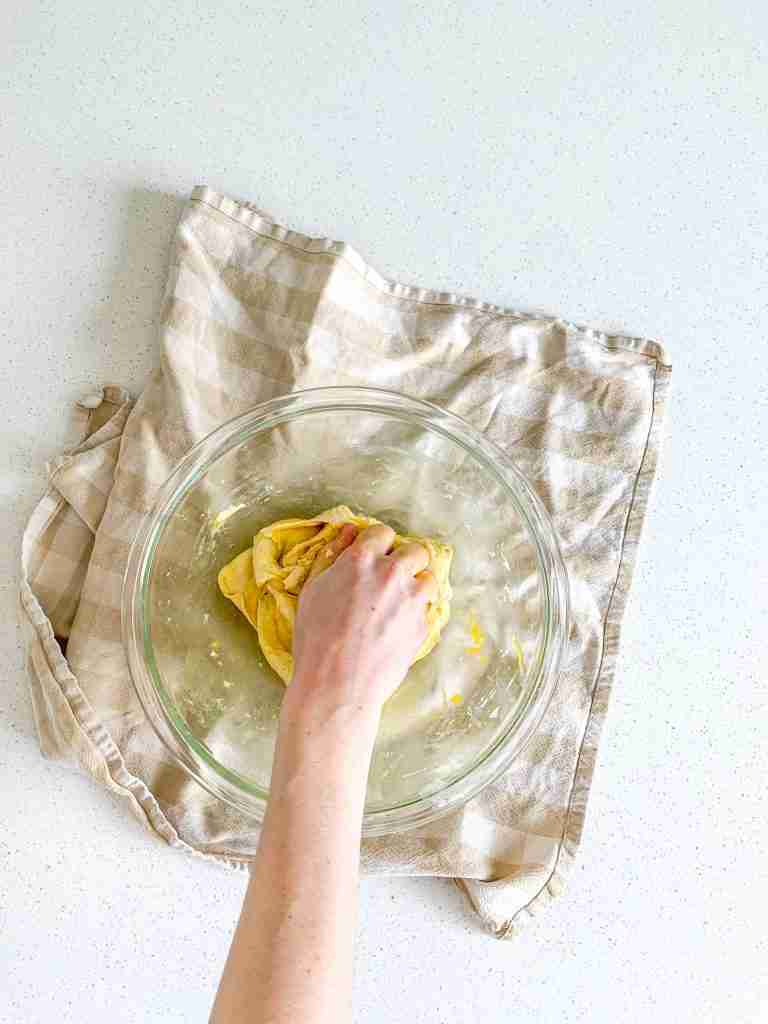
Uncover the dough and add in the egg. This will be sticky but knead it into the dough. THEN add the 1/4 cup of flour and knead that into the dough to help with the stickiness. (Do it this way, egg before flour, to prevent large clumps of eggy flour in your bread)
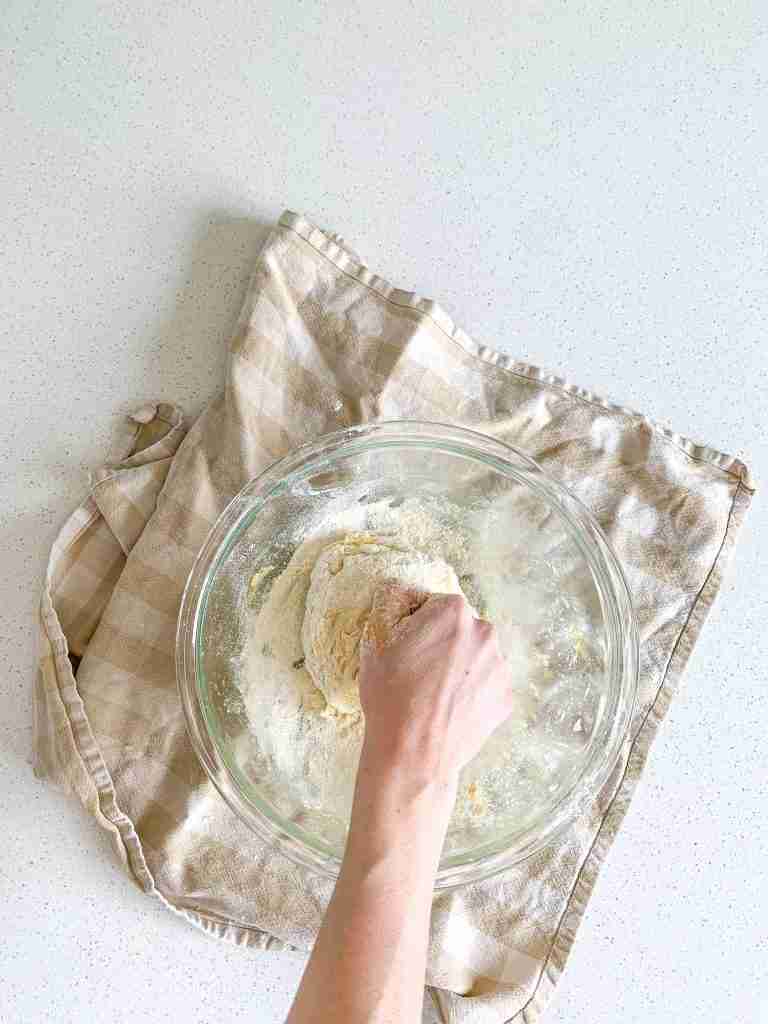
Use your hands to knead until it’s completely incorporated. We do this now so we can still enrich the dough but it doesn’t have to ferment with the raw egg.
How to Shape Sourdough Brioche Buns
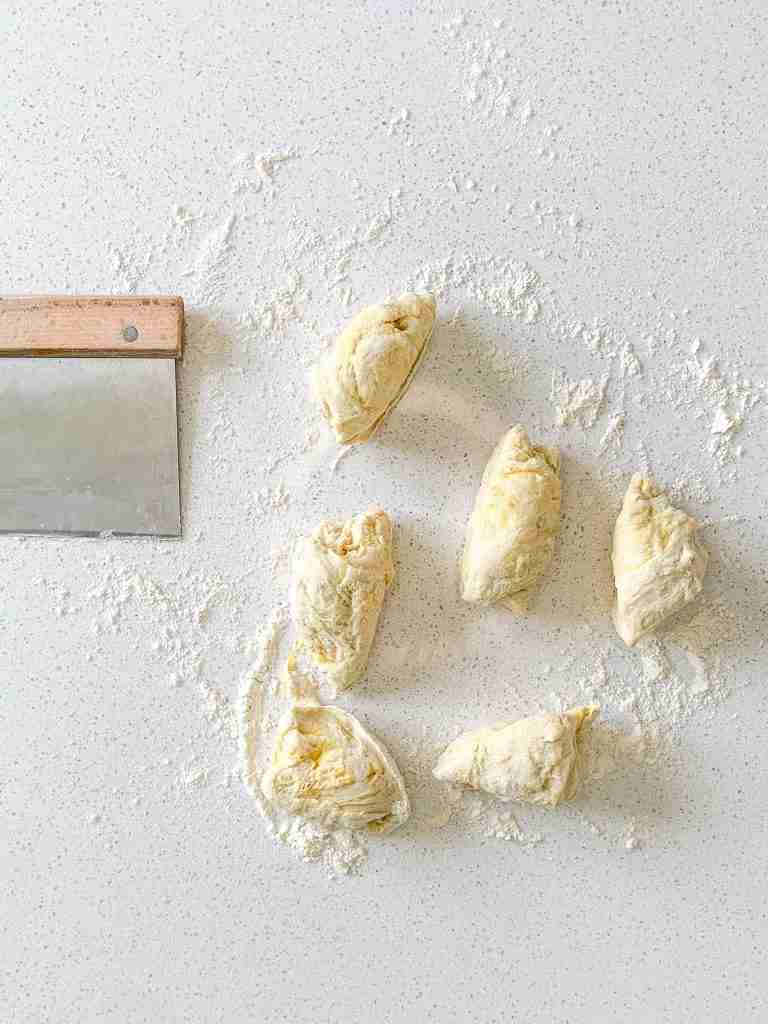
Turn the dough out onto the counter and divide into even pieces – 6 (for small buns) or 4 (for larger buns). Add flour to the counter if sticking.
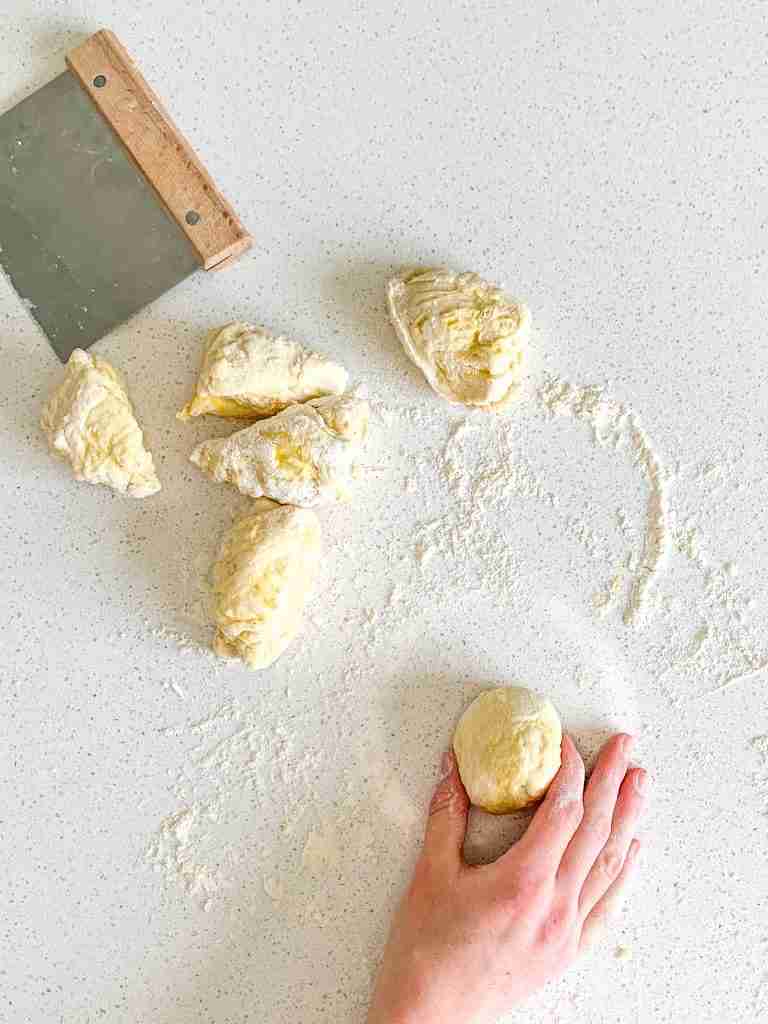
Shape each piece into a round bun by rolling it on the counter in circular motions to create a ball. Then gently press down on the top to flatten the bottom slightly.
Do this with each piece to shape them all.
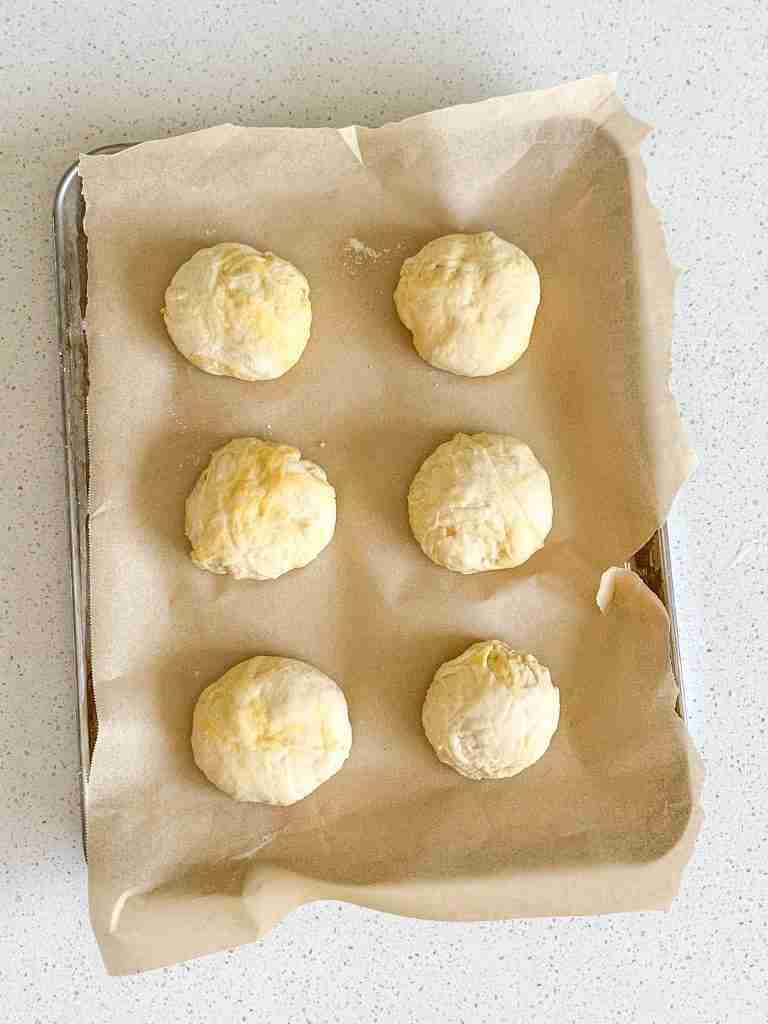
Place the buns on a parchment lined sheet pan 2 inches apart.
Proof the dough & bake
Cover with a dry kitchen towel or seran wrap and let it rise for 3-4 hours at room temperature. (See notes below)
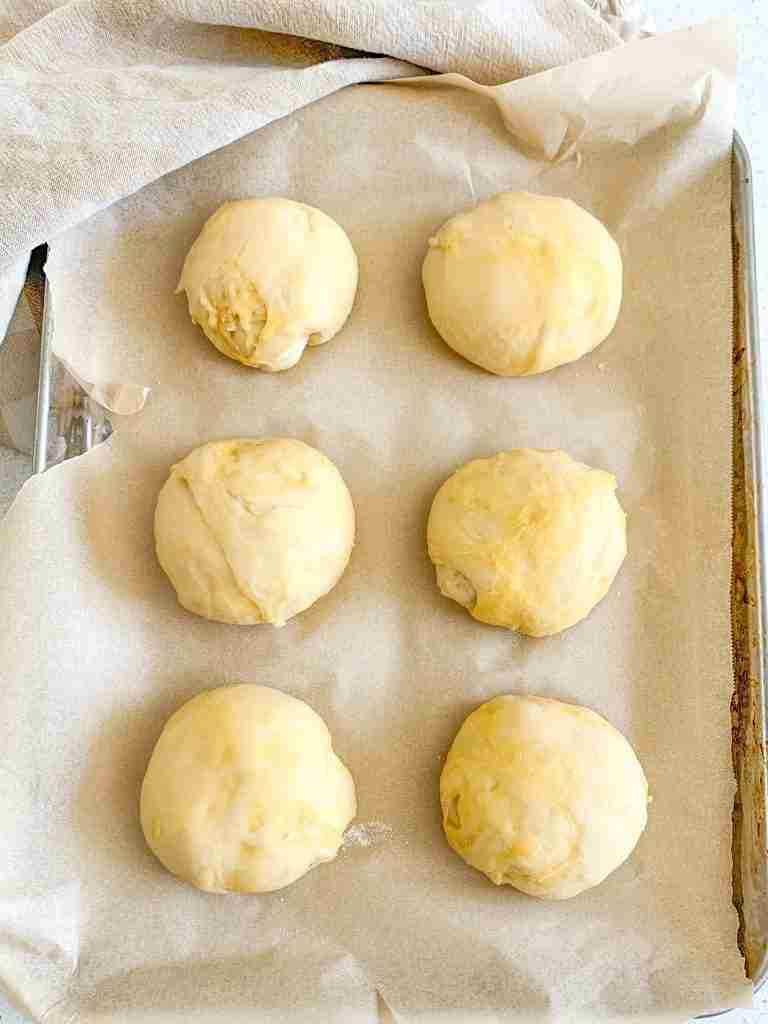
Once the buns are puffy and have proofed for 3-4 hours, preheat the oven to 375 degrees.
Bake for 20-25 minutes or until golden brown and baked all the way through.
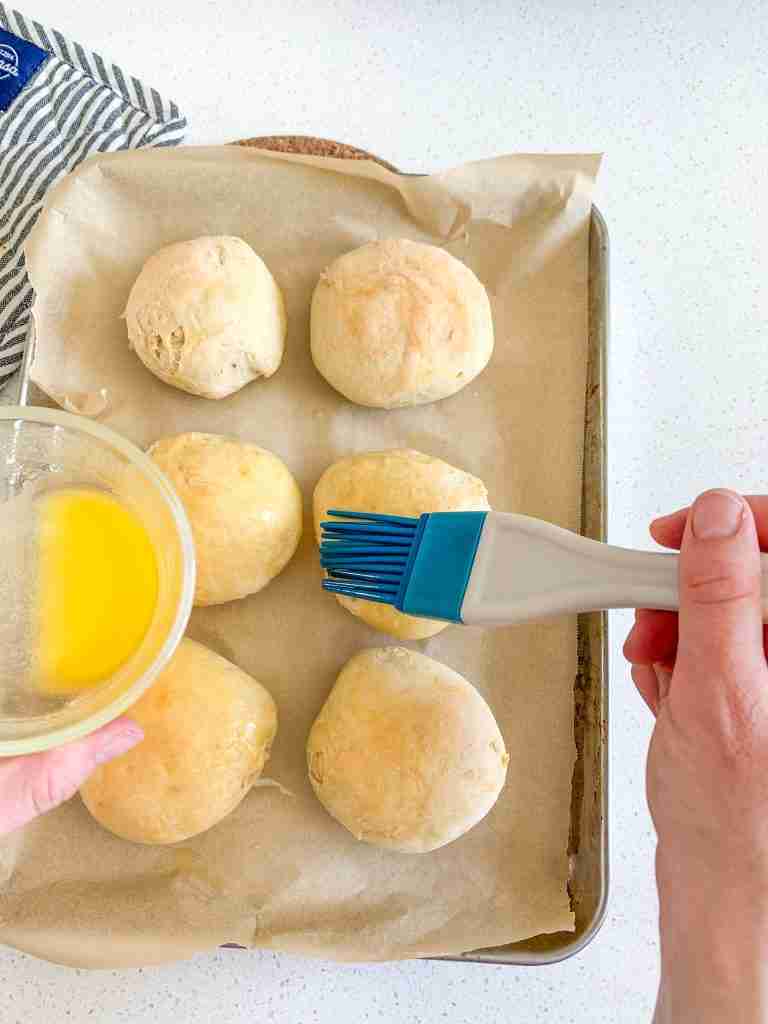
Take out of oven and brush with melted butter. Then let cool on a wire rack. Enjoy!
Video Tutorial
Sample Baking Schedule
- Make the dough: 7pm
- Bulk ferment: 7:10pm to NEXT DAY 7:10am
- Optional: place dough in fridge up to 48 hours after ferment until you’re ready to continue.
- Shape the buns: 7:10am (or when you’re ready to continue the recipe)
- Proof buns: 7:20am to 10:20am or 11:20am
- Bake buns: 10:20am or 11:20am
What Can You Use Brioche Buns for?
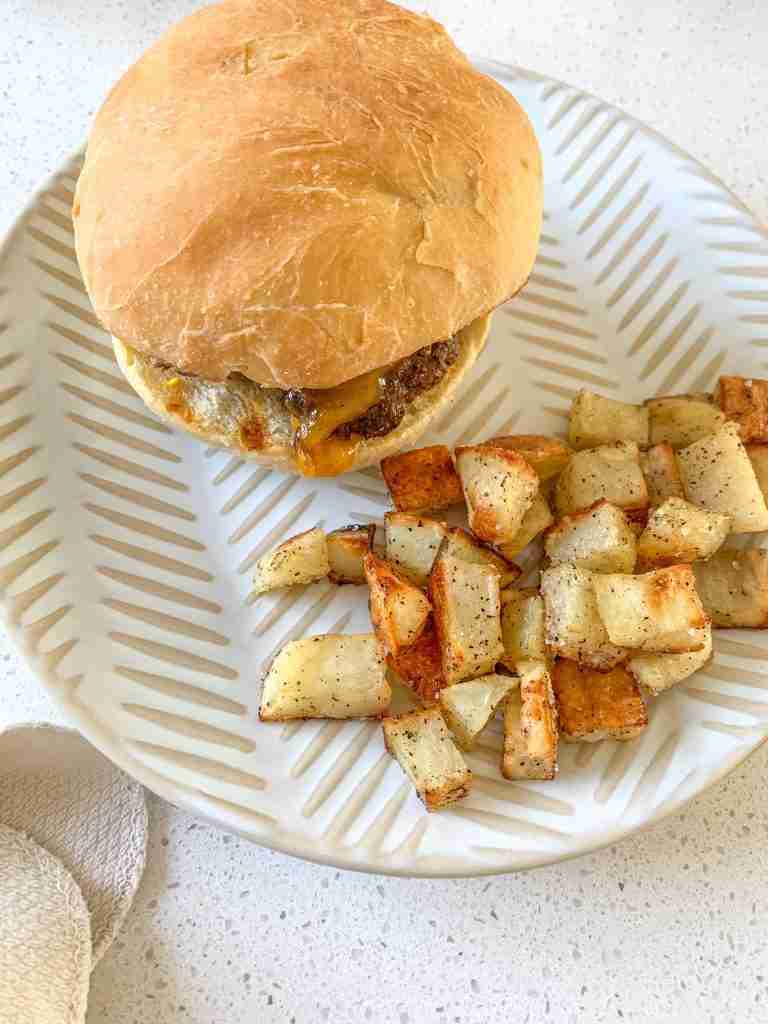
You can use brioche buns for so many things, just like regular hamburger buns. Here are a few ideas:
- Use them for cheeseburgers, ground chicken burgers, or your favorite burger
- Add pulled pork, pulled chicken, or brisket to them
- Use them as sourdough brioche rolls instead of buns

FAQs
I don’t recommend it. I recommend using fed starter so your buns turn out fluffy and light.
Brush the buns with egg wash (1 egg + 1 Tbsp water) right before baking for a darker exterior.
More Enriched Sourdough Recipes To Try
- Sourdough Texas Roadhouse Rolls
- Sourdough Honey Butter Dinner Rolls
- Sourdough Challah
- Sourdough Parker House Rolls
If you made this recipe, give it a 5-star rating below and share a photo of your brioche buns on your social media stories! Be sure to tag @plumbranchhome
Recipe
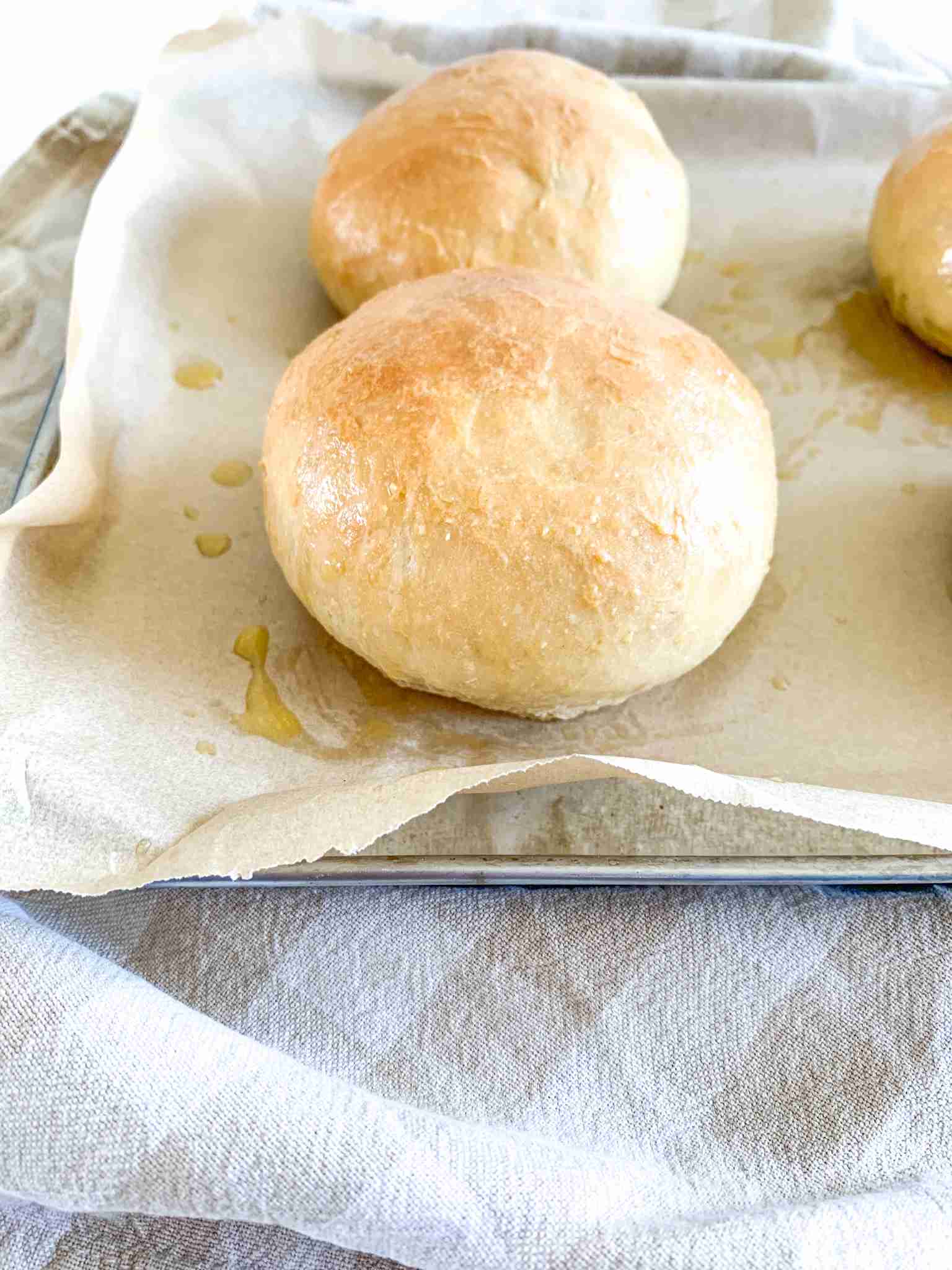
Sourdough Brioche Buns
Ingredients
Instructions
- BEFORE YOU GET STARTED: Feed your entire starter jar 4-12 hours before starting this recipe. I recommend feeding it a 2:1 ratio of unbleached flour to filtered water to get the same results as I do when you make this recipe. Example: 1 cup flour + 1/2 cup water. Your starter needs to be active, bubbly, and a thicker consistency to begin this recipe.
- In a large mixing bowl add in fed starter, milk, honey, salt, and avocado oil. Mix until completely combined.
- Add in only 1 1/2 cups flour (the other 1/4 cup will be added later with the egg) and stir until a dough forms. Use your hands to bring the dough into a ball if needed. If this isn’t working add 1-2 Tablespoons of extra milk to help but don’t do this if not necessary.
- Turn the dough out in the counter and knead for 2-3 minutes (or use an electric mixer with a dough hook)
- Cover the dough and let it sit at room temperature on the counter or in a turned-off oven/microwave for 12 hours until it doubles in size. See notes for helpful information.
- Once bulk fermentation is complete your dough should have doubled in size.
- Uncover the dough and add in the egg. This will be sticky but knead it into the dough. THEN add the 1/4 cup of flour and knead that into the dough to help with the stickiness. (Do it this way, egg before flour, to prevent large clumps of eggy flour in your bread)
- Use your hands to knead until it’s completely incorporated. We do this now so we can still enrich the dough but the doesn’t have to bulk ferment with raw egg.
- Turn the dough out onto the counter and divide into even pieces – 6 (for small buns) or 4 (for larger buns). Add flour to the counter if sticking.
- Shape each piece into a round bun by rolling it on the counter in circular motions to create a ball. Then gently press down on the top to flatten the bottom slightly.
- Do this with each piece to shape them all.
- Place the buns on a parchment lined sheet pan, 2 inches apart.
- Cover with a dry kitchen towel or seran wrap and let it rise for 3-4 hours at room temperature. (See notes below)
- Once the buns are puffy and have proofed for 3-4 hours, preheat the oven to 375 degrees Fahrenheit.
- Bake for 20-25 minutes or until golden brown and baked all the way through.
- Take out of oven and brush with melted butter. Then let cool on a wire rack. Enjoy!
Video
Notes
- If your dough doesn’t look like it’s doing anything halfway through the rises, you need to place it in a slightly warmer area.
- This can be in a turned-off oven with the light on and oven door open, or you can slightly warm the oven to about 75-80 degrees Fahrenheit, then turn it off and place your dough inside with the door shut.
- Never leave the oven on, even on the keep warm setting, with fermenting dough inside. Your dough, for both rises, needs to double.
- If your dough doesn’t double even in the warmer area, there is a problem with your starter. It is too weak to ferment the dough even in a warm environment.
- To fix this, you will want to leave your starter out on the counter for 2 days and feed it every 12 hours at a 2:1 ratio of unbleached flour to filtered water.
- For example, 1 cup unbleached flour + 1/2 cup filtered (or bottled) water.
- Make sure you’re using unbleached flour and filtered or bottled water to do this. If you don’t, it will affect your starter strength. Reverse osmosis water (or any water that uses salt in the filter) can make the starter weak.
- This will strengthen the cultures in your starter to give you fluffy baked bread and treats. After the 2 days, you can go back to feeding it like usual (once a week if stored in the fridge or once a day if stored on the counter). Be sure to use the 2:1 ratio feeding from here on out.
Perfect for sandwiches of all kinds! Especially meatloaf burgers or hot ham & cheese sandwiches.